Want more customers but don’t know where to start? Lead generation is the engine behind every successful business. It’s not just about collecting emails—it’s about building relationships, trust, and turning strangers into loyal buyers. Let’s dive into the real strategies that work.
What Is Lead Generation and Why It Matters

At its core, lead generation is the process of attracting and converting prospects into someone who has expressed interest in your product or service. Whether you’re running a small startup or managing a global brand, generating high-quality leads is essential for sustainable growth.


The Evolution of Lead Generation
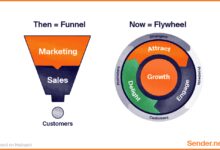
Lead generation has evolved dramatically over the past two decades. In the early 2000s, cold calling and trade shows were the primary methods. Today, digital channels dominate—especially with the rise of social media, content marketing, and automation tools.
According to HubSpot, companies that prioritize lead generation see a 133% higher year-over-year growth in revenue compared to those that don’t (HubSpot, 2023). This shift reflects how modern consumers prefer to research and engage on their own terms before speaking to a salesperson.
- Traditional methods: Cold calls, print ads, direct mail
- Digital transformation: SEO, webinars, social media, chatbots
- Modern expectations: Personalization, instant access, value-first content
Types of Leads: Marketing vs. Sales Qualified
Not all leads are created equal. Understanding the difference between marketing-qualified leads (MQLs) and sales-qualified leads (SQLs) is crucial for aligning your marketing and sales teams.
An MQL is someone who has engaged with your content—downloaded an ebook, attended a webinar, or subscribed to your newsletter—but isn’t ready to buy yet. An SQL, on the other hand, has shown buying intent—requested a demo, asked for pricing, or spoken to a sales rep.
“A lead isn’t just a name and email. It’s a person with a problem you can solve.” — Neil Patel
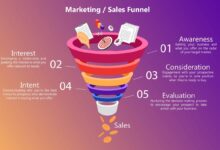
By clearly defining these stages, businesses can create targeted nurturing campaigns that move prospects down the funnel efficiently.
Lead Generation Strategies That Actually Work in 2024
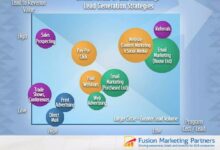
With so many tactics available, it’s easy to get overwhelmed. But not all lead generation strategies deliver the same ROI. The following seven methods are proven to generate high-converting leads when executed correctly.
1. Content Marketing: Attract Leads with Value
Content marketing remains one of the most effective ways to generate organic leads. By creating valuable, educational, and problem-solving content, you attract visitors who are actively searching for solutions.
For example, a blog post titled “How to Choose the Right CRM for Small Businesses” can attract hundreds of visitors monthly. When paired with a lead magnet—like a free CRM comparison checklist—you can convert 5–10% of those visitors into leads.
According to DemandMetric, content marketing generates three times as many leads as traditional outbound marketing, and costs 62% less (DemandMetric, 2023).
- Focus on solving real problems, not just promoting your product
- Use SEO-optimized blog posts, guides, and videos
- Pair content with gated assets (ebooks, templates, tools)
2. Landing Pages with High Conversion Rates
A landing page is a standalone web page designed for one purpose: to convert visitors into leads. Unlike regular website pages, landing pages remove distractions and focus on a single call-to-action (CTA).
Effective landing pages include:
- A clear, benefit-driven headline
- Concise copy that speaks to pain points
- A strong CTA button (e.g., “Download Now” or “Get Your Free Trial”)
- A simple lead capture form (name, email, maybe company)
Unbounce reports that high-performing landing pages can achieve conversion rates of 20% or higher—compared to the average website conversion rate of 2–5% (Unbounce, 2023).
“Your landing page isn’t about you—it’s about the visitor’s next step.” — Oli Gardner, Unbounce
3. Email Marketing: Nurture Leads into Customers
Email marketing is still one of the highest ROI channels for lead generation. According to the Data & Marketing Association (DMA), email delivers $42 for every $1 spent—a 4,200% return (DMA, 2023).
But success doesn’t come from blasting promotional emails. It comes from segmentation, personalization, and delivering value at every stage of the buyer’s journey.
For example, a new subscriber might receive a 5-day onboarding sequence that educates them about your industry, shares case studies, and gently introduces your product. This builds trust before asking for a sale.
- Use lead magnets to grow your list
- Segment your audience by behavior, industry, or interest
- Automate drip campaigns to nurture leads over time
Lead Generation Tools and Technologies
Manual lead generation is inefficient and hard to scale. That’s why businesses use specialized tools to automate, track, and optimize their efforts.
CRM Systems: Centralize Your Lead Data
A Customer Relationship Management (CRM) system like Salesforce or HubSpot CRM is essential for managing leads. It stores contact information, tracks interactions, and helps sales teams follow up at the right time.
Modern CRMs also integrate with marketing automation platforms, allowing for seamless handoff between marketing and sales. For example, when a lead downloads a whitepaper and then visits your pricing page, the CRM can flag them as sales-ready.
- Track lead source, behavior, and engagement history
- Automate follow-up tasks and reminders
- Generate reports on conversion rates and pipeline health
Marketing Automation Platforms
Tools like Marketo, ActiveCampaign, and Mailchimp allow you to automate repetitive tasks like email sequences, lead scoring, and social media posting.
For instance, you can set up a workflow where:
- A visitor downloads a guide → gets added to a nurture sequence
- They open three emails in a row → get tagged as “high interest”
- They click on a demo link → get routed to a sales rep
This level of automation ensures no lead falls through the cracks and improves conversion rates across the board.
Lead Magnets: The Secret to High-Converting Offers
A lead magnet is a free resource offered in exchange for contact information. It’s the cornerstone of most lead generation campaigns because it provides immediate value to the prospect.
Types of High-Performing Lead Magnets
Not all lead magnets are equally effective. The best ones solve a specific, urgent problem. Here are the most popular types:
- Ebooks & Guides: In-depth resources on topics like “10 SEO Mistakes Killing Your Traffic”
- Checklists & Templates: Practical tools like a “Social Media Content Calendar Template”
- Webinars & Workshops: Live or recorded sessions that teach a valuable skill
- Free Trials & Demos: Let users experience your product firsthand
- Quizzes & Assessments: Interactive tools that provide personalized results
According to OptinMonster, lead magnets with quizzes convert 170% better than standard forms (OptinMonster, 2023).
How to Create a High-Value Lead Magnet
The key to a successful lead magnet is specificity. Instead of offering a generic “Beginner’s Guide to Marketing,” try “The 5-Step SEO Checklist for Local Businesses in 2024.”
Follow these steps:
- Identify a common pain point in your audience
- Create a solution that’s actionable and easy to consume
- Design it professionally (use Canva or hire a designer)
- Host it on a dedicated landing page with a clear CTA
“The best lead magnets don’t sell—they help.” — Joanna Wiebe, Copyhackers
Lead Scoring: Prioritize Your Hottest Prospects
Not every lead deserves the same attention. Lead scoring helps you prioritize by assigning points based on behavior and demographic data.
How Lead Scoring Works
Lead scoring combines explicit and implicit data:
- Explicit data: Job title, company size, industry (collected from forms)
- Implicit data: Page visits, email opens, content downloads (tracked via cookies and CRM)
For example:
- +10 points for visiting the pricing page
- +5 points for downloading a case study
- +20 points for attending a webinar
- +15 points for being a decision-maker (e.g., CMO, CEO)
Once a lead reaches a threshold (e.g., 50 points), they’re passed to sales as an SQL.
Benefits of Lead Scoring
Lead scoring improves efficiency and alignment between marketing and sales teams. It ensures that sales reps focus on the most qualified leads, increasing close rates and shortening sales cycles.
A study by Marketo found that companies using lead scoring saw a 77% increase in lead conversion rates (Marketo, 2023).
- Reduces wasted time on unqualified leads
- Improves sales and marketing alignment
- Provides data-driven insights into buyer behavior
Lead Generation on Social Media Platforms
Social media isn’t just for brand awareness—it’s a powerful lead generation channel when used strategically.
LinkedIn: The B2B Lead Generation Powerhouse
LinkedIn is the top platform for B2B lead generation. With over 900 million users, including 63 million decision-makers, it’s the go-to place for professional networking and outreach.
Effective strategies include:
- Sharing thought leadership content (articles, posts, videos)
- Using LinkedIn Lead Gen Forms (available in ads)
- Sending personalized connection requests with value-driven messages
LinkedIn reports that its Lead Gen Forms have up to 2x higher conversion rates than traditional landing pages because they auto-fill user data (LinkedIn, 2023).
Facebook & Instagram: Visual Lead Generation
For B2C and visual brands, Facebook and Instagram offer robust lead generation tools. Facebook Lead Ads allow users to submit their information without leaving the app—making it frictionless.
Best practices:
- Use eye-catching visuals and clear CTAs
- Target based on interests, behaviors, and lookalike audiences
- Follow up quickly—leads from social ads convert faster when contacted within 5 minutes
According to Hootsuite, Facebook Lead Ads can reduce cost per lead by up to 50% compared to traditional methods (Hootsuite, 2023).
Measuring Lead Generation Success: Key Metrics to Track
You can’t improve what you don’t measure. Tracking the right KPIs helps you optimize your lead generation efforts and prove ROI.
Conversion Rate
This is the percentage of visitors who become leads. For example, if 1,000 people visit your landing page and 100 sign up, your conversion rate is 10%.
Aim for at least 5–10% on most landing pages. Anything above 20% is excellent.
Cost Per Lead (CPL)
CPL measures how much you spend to acquire one lead. It’s calculated by dividing total campaign spend by the number of leads generated.
For example, if you spend $1,000 on a Facebook ad campaign and get 200 leads, your CPL is $5.
Benchmarks vary by industry, but a CPL under $50 is considered good for most B2B businesses.
Lead-to-Customer Conversion Rate
This metric shows how many leads actually become paying customers. If you generate 100 leads and close 10 sales, your lead-to-customer rate is 10%.
Improving this rate often involves better lead qualification, nurturing, and sales follow-up.
- Track this metric by source (e.g., organic, paid, social)
- Identify which channels deliver the highest-quality leads
- Optimize underperforming funnels
“Data beats intuition every time.” — Avinash Kaushik, Digital Marketing Evangelist
Common Lead Generation Mistakes to Avoid
Even experienced marketers make mistakes that hurt their lead generation results. Here are the most common pitfalls and how to avoid them.
1. Targeting the Wrong Audience
Generating leads is pointless if they’re not your ideal customers. Many businesses cast too wide a net, attracting low-intent visitors who never convert.
Solution: Define your buyer persona clearly. Use data from existing customers to identify demographics, pain points, and buying behavior.
2. Offering Weak Lead Magnets
A vague or low-value lead magnet won’t convert. “Free Guide” with no specificity fails to stand out.
Solution: Make your offer irresistible by focusing on a specific outcome. Example: “Get 37% More Website Traffic in 30 Days—Free SEO Audit Template.”
3. Ignoring Lead Nurturing
Only 2% of leads convert on first contact. The other 98% need nurturing through email, content, and retargeting.
Solution: Build automated email sequences that educate, build trust, and guide leads toward a purchase.
- Don’t pitch too early—focus on value first
- Use behavioral triggers to send relevant content
- Re-engage inactive leads with win-back campaigns
What is lead generation?
Lead generation is the process of attracting and converting strangers into potential customers by collecting their contact information, usually through value exchanges like ebooks, webinars, or free trials.
What are the best lead generation strategies in 2024?
The most effective strategies include content marketing, high-converting landing pages, email automation, social media lead ads, and lead scoring. Combining these with strong lead magnets yields the best results.
How do I generate more leads for my business?
Focus on solving real customer problems with valuable content, optimize your landing pages for conversion, use targeted ads on platforms like LinkedIn and Facebook, and nurture leads with personalized email sequences.
What tools are best for lead generation?
Top tools include HubSpot (CRM & marketing automation), ActiveCampaign (email & automation), Unbounce (landing pages), and LinkedIn Lead Gen Forms. Choose based on your budget and goals.
How do I measure lead generation success?
Track key metrics like conversion rate, cost per lead (CPL), lead-to-customer rate, and ROI. Use analytics tools to identify what’s working and optimize underperforming campaigns.
Lead generation isn’t a one-time tactic—it’s an ongoing system that fuels business growth. From creating high-value lead magnets to leveraging automation and data, the strategies outlined here provide a complete roadmap for generating more qualified leads in 2024. The key is consistency, testing, and focusing on delivering real value. Start small, measure everything, and scale what works.
Further Reading: