When it comes to optimizing commercial spaces, smart buyers are turning to b2b cabinets for durability, customization, and long-term value. These aren’t just storage units—they’re strategic investments in efficiency and professionalism.
What Are B2B Cabinets and Why They Matter

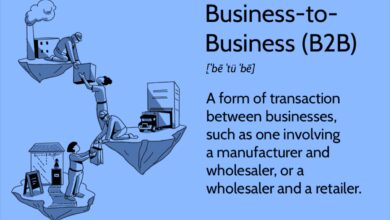
B2B cabinets refer to storage and organizational solutions designed specifically for business-to-business transactions. Unlike retail cabinets sold in stores, b2b cabinets are engineered to meet the functional, spatial, and aesthetic demands of commercial environments such as offices, medical facilities, industrial warehouses, and educational institutions. These cabinets are typically sold in bulk or as part of larger procurement contracts, emphasizing scalability, durability, and integration with existing infrastructure.




Defining the B2B Cabinet Market
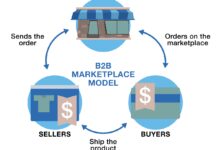
The b2b cabinets market operates on a different scale than consumer-grade furniture. It’s driven by contracts, tenders, and long-term partnerships between manufacturers and commercial buyers. These cabinets are often customized to fit specific spatial requirements, comply with industry regulations (such as ADA or OSHA standards), and support workflow efficiency. For example, a hospital may require lockable b2b cabinets with antimicrobial surfaces, while a tech company might need server-ready enclosures with ventilation and cable management.
- B2B cabinets are built for heavy-duty, daily use in professional settings.
- They are often part of larger facility management or interior design projects.
- Customization is a key differentiator from retail alternatives.
How B2B Cabinets Differ from Retail Models
While retail cabinets are designed for individual consumers and sold through home improvement stores or e-commerce platforms, b2b cabinets are tailored for organizational needs. The differences go beyond price and volume. B2B models typically offer modular designs, extended warranties, and integration with building systems. They also come with detailed technical specifications, installation guides, and support services—elements rarely found in off-the-shelf retail products.
“B2B cabinets aren’t just about storage—they’re about solving operational challenges through intelligent design.” — Facility Management Today
The Key Industries Using B2B Cabinets
B2B cabinets serve a wide range of industries, each with unique requirements. Understanding which sectors rely on these solutions helps manufacturers and suppliers tailor their offerings and marketing strategies effectively.
Healthcare and Medical Facilities
In hospitals, clinics, and laboratories, b2b cabinets play a critical role in maintaining hygiene, security, and organization. Medical-grade cabinets are often made from stainless steel or laminated materials that resist corrosion and bacterial growth. They store everything from patient records to pharmaceuticals and surgical instruments. Lockable compartments, adjustable shelving, and compliance with HIPAA regulations are standard features.
For example, Grainger, a leading industrial supplier, offers a range of medical b2b cabinets that meet FDA and CDC guidelines, ensuring safe storage in clinical environments.
Education and Academic Institutions
Schools, colleges, and research centers use b2b cabinets for storing lab equipment, teaching materials, and administrative documents. These cabinets must withstand frequent use by students and staff, so durability and safety are paramount. Many educational b2b cabinets feature rounded edges, non-toxic finishes, and fire-resistant materials.
Additionally, modular b2b cabinets allow schools to reconfigure classrooms or labs as curricula evolve. This flexibility supports modern pedagogical approaches like STEM labs and collaborative learning spaces.
Industrial and Manufacturing Sectors
In factories and production facilities, b2b cabinets are essential for tool storage, safety equipment, and inventory management. They help reduce workplace clutter, prevent accidents, and improve operational efficiency. Heavy-duty steel cabinets with reinforced locks and anti-tip mechanisms are common in these environments.
Organizations like Uline provide industrial b2b cabinets designed to withstand extreme temperatures, vibrations, and chemical exposure—key factors in manufacturing settings.
Top Features That Define High-Quality B2B Cabinets
Not all b2b cabinets are created equal. The best ones share a set of core features that ensure longevity, usability, and return on investment.
Durability and Material Quality
The materials used in b2b cabinets directly impact their lifespan and performance. High-quality steel, powder-coated finishes, and commercial-grade laminates are standard in premium models. These materials resist dents, scratches, and corrosion—critical in high-traffic areas.
For instance, cold-rolled steel is often used in server b2b cabinets because of its strength and electromagnetic shielding properties. Meanwhile, high-pressure laminate (HPL) is popular in office environments for its aesthetic versatility and ease of cleaning.
Customization and Modular Design
One of the biggest advantages of b2b cabinets is the ability to customize them. Buyers can specify dimensions, colors, hardware, shelving configurations, and even branding elements like logos or labels. Modular designs allow cabinets to be expanded or reconfigured as business needs change.
This level of customization is especially valuable in multi-location businesses, such as retail chains or healthcare networks, where brand consistency and functional uniformity are required across sites.
Security and Access Control
Many b2b cabinets include advanced security features such as electronic locks, biometric scanners, and audit trail capabilities. These are crucial in environments where sensitive materials—like medications, data servers, or legal documents—must be protected.
For example, pharmaceutical companies often use b2b cabinets with RFID-enabled access systems to track who accesses controlled substances and when.
How to Choose the Right B2B Cabinets for Your Business
Selecting the right b2b cabinets involves more than just comparing prices. It requires a strategic approach that considers space, workflow, compliance, and long-term costs.
Assessing Your Space and Workflow Needs
Before purchasing b2b cabinets, conduct a thorough assessment of your facility. Measure available space, identify high-traffic zones, and map out how employees interact with storage units. Will the cabinets be used daily? Do they need to be mobile? Are they part of a larger storage ecosystem?
For example, a law firm may need floor-to-ceiling b2b cabinets with locking drawers for case files, while a creative agency might prefer open shelving units for collaborative brainstorming sessions.
Evaluating Supplier Reputation and Support
Not all b2b cabinet suppliers offer the same level of service. Look for vendors with a proven track record in commercial projects, responsive customer support, and comprehensive warranties. Check reviews on platforms like BBB or Trustpilot to gauge reliability.
Also, consider whether the supplier offers installation, maintenance, and retrofitting services. These can significantly reduce downtime and long-term costs.
Understanding Total Cost of Ownership (TCO)
The upfront price of b2b cabinets is just one part of the equation. The total cost of ownership includes installation, maintenance, energy consumption (for climate-controlled units), and potential replacement costs. High-quality b2b cabinets may have a higher initial price but can save money over time through reduced repairs and longer lifespan.
A 2023 study by the Building Owners and Managers Institute (BOMI) found that businesses that invested in premium b2b cabinets saw a 30% reduction in maintenance costs over five years compared to those using budget models.
The Role of Technology in Modern B2B Cabinets
Today’s b2b cabinets are no longer passive storage units. They’re becoming smart, connected systems that enhance security, efficiency, and data management.
Smart Locks and IoT Integration
Many modern b2b cabinets come equipped with smart locks that can be controlled via smartphone apps or integrated into building access systems. Some even support IoT (Internet of Things) connectivity, allowing real-time monitoring of cabinet usage, temperature, and security status.
For example, a pharmaceutical lab might use IoT-enabled b2b cabinets to ensure temperature-sensitive drugs are stored within safe ranges, with automatic alerts sent if conditions deviate.
Inventory Management and RFID Systems
RFID (Radio-Frequency Identification) technology is transforming how businesses track assets stored in b2b cabinets. By tagging items with RFID chips, organizations can automate inventory counts, reduce theft, and improve accountability.
Hospitals using RFID-equipped b2b cabinets report up to a 40% reduction in time spent on manual inventory checks, according to a report by Healthcare IT News.
Energy-Efficient and Sustainable Designs
Sustainability is a growing concern in commercial procurement. Many b2b cabinet manufacturers now offer eco-friendly options made from recycled materials, low-VOC finishes, and energy-efficient lighting systems.
Some companies even provide carbon footprint reports for their products, helping buyers meet corporate sustainability goals. For instance, Herman Miller offers b2b cabinets certified by Cradle to Cradle, a rigorous environmental standard.
Leading Suppliers of B2B Cabinets in 2024
The b2b cabinets market is served by a mix of global manufacturers, regional specialists, and niche innovators. Choosing the right supplier depends on your industry, budget, and customization needs.
Global Manufacturers with Proven Track Records
Companies like Steelcase, Knoll, and HON dominate the commercial furniture space with extensive b2b cabinet lines. These brands offer nationwide distribution, professional design services, and integration with larger office systems.
Steelcase, for example, provides b2b cabinets that are part of their broader ecosystem of workplace solutions, including desks, seating, and acoustic panels—ideal for companies seeking a unified design language.
Niche and Industry-Specific Suppliers
Some suppliers focus exclusively on specific sectors. For instance, Scott Fetzer Medical specializes in medical-grade b2b cabinets with antimicrobial surfaces and compliance with healthcare regulations. Similarly, Server Technology offers server b2b cabinets with advanced power distribution and cooling systems.
Working with niche suppliers can yield better performance and compliance, especially in highly regulated industries.
Emerging Innovators in Smart Storage
New players are entering the b2b cabinets market with a focus on technology and sustainability. Startups like RoboCabinet and SmartSpace Solutions are introducing AI-powered inventory tracking, voice-activated access, and modular designs that adapt to changing office layouts.
These innovators are particularly attractive to tech-forward companies looking to future-proof their facilities.
Common Mistakes to Avoid When Buying B2B Cabinets
Even experienced procurement managers can make costly errors when selecting b2b cabinets. Avoiding these pitfalls ensures better value and fewer headaches down the line.
Ignoring Long-Term Scalability
One of the most common mistakes is choosing cabinets that meet current needs but can’t adapt to future growth. For example, a startup might install fixed b2b cabinets that can’t be expanded when the team doubles in size.
Solution: Opt for modular systems that allow for easy reconfiguration or expansion. This flexibility supports agile business models and reduces the need for costly replacements.
Overlooking Installation and Logistics
B2B cabinets often require professional installation, especially if they’re part of a larger facility upgrade. Failing to account for delivery timelines, assembly costs, or site preparation can delay projects and increase expenses.
Always confirm with the supplier whether installation is included and if the cabinets will fit through doorways and elevators.
Underestimating Compliance Requirements
In regulated industries, non-compliant b2b cabinets can lead to fines, audits, or safety incidents. For example, storing flammable materials in non-fire-rated cabinets violates OSHA standards and poses serious risks.
Always verify that your b2b cabinets meet relevant codes and certifications for your industry and location.
Future Trends Shaping the B2B Cabinets Industry
The b2b cabinets market is evolving rapidly due to technological advances, changing work models, and sustainability demands.
Rise of Hybrid Work and Flexible Storage
With more companies adopting hybrid work models, the need for flexible, reconfigurable b2b cabinets is growing. Businesses are investing in mobile cabinets, lockers for hot-desking, and decentralized storage solutions that support both in-office and remote workflows.
For example, some organizations now use b2b cabinets with digital check-in systems, allowing employees to reserve storage space when they come into the office.
Increased Demand for Sustainable and Circular Design
The circular economy is influencing b2b cabinet design. Manufacturers are focusing on recyclability, repairability, and take-back programs. Some companies now offer leasing models instead of outright sales, allowing businesses to upgrade cabinets without generating waste.
A 2024 report by GreenBiz predicts that 60% of new b2b cabinet purchases will include sustainability criteria by 2026.
Integration with AI and Predictive Analytics
AI is beginning to play a role in optimizing cabinet usage. Predictive analytics can forecast when shelves will fill up, suggest reorganization patterns, or alert maintenance teams to potential hardware failures.
In warehouses, AI-powered b2b cabinets can coordinate with inventory management software to automate restocking and reduce human error.
What are b2b cabinets used for?
B2B cabinets are used for secure, organized, and efficient storage in commercial environments such as offices, hospitals, schools, and industrial facilities. They support workflow optimization, regulatory compliance, and long-term asset protection.
How do b2b cabinets differ from regular cabinets?
B2B cabinets are built for commercial use, offering higher durability, customization, and integration with business systems. They are sold through business channels, often in bulk, and come with technical support and warranties not typically found in retail models.
Can b2b cabinets be customized?
Yes, most b2b cabinets offer extensive customization options, including size, color, shelving, locking mechanisms, and branding. This allows businesses to tailor storage solutions to their specific operational and aesthetic needs.
What industries benefit most from b2b cabinets?
Healthcare, education, manufacturing, IT, and legal sectors benefit significantly from b2b cabinets due to their need for secure, compliant, and scalable storage solutions.
Are smart b2b cabinets worth the investment?
For businesses with high-security or inventory-tracking needs, smart b2b cabinets offer strong ROI through improved efficiency, reduced theft, and better data management. The investment is particularly valuable in regulated or tech-intensive environments.
Choosing the right b2b cabinets is more than a logistical decision—it’s a strategic move that impacts productivity, safety, and long-term costs. From healthcare to manufacturing, these storage solutions are evolving into intelligent, sustainable, and adaptable systems. By understanding your needs, evaluating suppliers carefully, and avoiding common pitfalls, you can make a purchase that delivers lasting value. As technology and workplace trends continue to shift, b2b cabinets will remain a cornerstone of efficient commercial operations.
Further Reading: