In today’s data-driven B2B landscape, knowing how your campaigns perform isn’t a luxury—it’s a necessity. Mastering b2b campaign tracking empowers marketers to make smarter decisions, optimize budgets, and prove real business impact with confidence.
Why B2B Campaign Tracking Is a Game-Changer

B2B marketing operates on longer sales cycles, higher customer values, and complex decision-making units. Unlike B2C, where a single click might lead to a purchase, B2B conversions often involve multiple touchpoints across weeks or months. This complexity makes b2b campaign tracking not just useful—but essential.


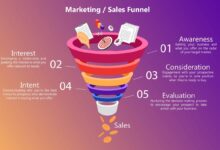

Longer Sales Cycles Demand Precision
In B2B, a lead might interact with your brand through webinars, whitepapers, demo requests, and sales calls before converting. Without proper tracking, it’s nearly impossible to attribute revenue to the right campaign or channel.
- Tracking helps map the entire buyer’s journey from first touch to close.
- It enables sales and marketing alignment by providing shared visibility into lead progression.
- Accurate attribution prevents misallocation of budget to underperforming channels.
“If you can’t measure it, you can’t improve it.” – Peter Drucker
Improved Accountability and ROI Justification
Executives and stakeholders demand proof of marketing’s contribution to revenue. B2B campaign tracking provides the data needed to justify spend, scale successful initiatives, and cut ineffective ones.
- Clear KPIs like cost per lead (CPL), lead-to-customer rate, and customer acquisition cost (CAC) become measurable.
- Marketing teams can demonstrate ROI by linking campaign efforts directly to closed deals.
- Transparent reporting builds trust between marketing, sales, and finance teams.
Key Metrics to Track in B2B Campaign Tracking
Effective b2b campaign tracking starts with knowing which metrics matter most. While vanity metrics like page views or social likes have their place, B2B marketers must focus on performance indicators that tie directly to business outcomes.
Lead Generation and Conversion Rates
The foundation of any B2B campaign is lead generation. Tracking how many leads each campaign generates—and how many convert—is critical.
- Monitor form submissions, content downloads, and demo sign-ups by campaign source.
- Calculate conversion rates at each stage: visitor-to-lead, lead-to-MQL (Marketing Qualified Lead), MQL-to-SQL (Sales Qualified Lead), and SQL-to-customer.
- Use tools like HubSpot or Marketo to automate lead tracking across channels.
Customer Acquisition Cost (CAC) and Lifetime Value (LTV)
Understanding how much it costs to acquire a customer versus how much they’re worth over time is crucial for sustainable growth.
- CAC = Total Marketing & Sales Spend / Number of Customers Acquired.
- LTV = Average Revenue per Customer × Average Customer Lifespan.
- A healthy LTV:CAC ratio is typically 3:1 or higher in B2B.
According to Cleverly’s research, companies with an LTV:CAC ratio below 1 are spending more to acquire customers than they earn from them—unsustainable in the long run.
Return on Ad Spend (ROAS) and Marketing ROI
ROAS measures revenue generated for every dollar spent on advertising. Marketing ROI is broader, factoring in all campaign costs and revenue impact.
- ROAS = (Revenue from Ads / Cost of Ads).
- Marketing ROI = (Revenue – Marketing Cost) / Marketing Cost.
- Use UTM parameters and CRM integrations to trace ad spend to actual sales.
Essential Tools for Effective B2B Campaign Tracking
No b2b campaign tracking strategy is complete without the right tech stack. The tools you choose should integrate seamlessly, provide accurate data, and offer deep insights across the customer journey.
Marketing Automation Platforms
Platforms like Pardot (by Salesforce) and Marketo are industry standards for B2B marketers. They allow you to track email engagement, lead scoring, and campaign performance in real time.
- Automate lead nurturing workflows based on user behavior.
- Track which content assets drive the most engagement.
- Sync data with your CRM to close the loop between marketing and sales.
Customer Relationship Management (CRM) Systems
A CRM like Salesforce or Zoho CRM is the backbone of b2b campaign tracking. It stores all customer interactions and allows for detailed attribution modeling.
- Tag leads with campaign source, medium, and content.
- Track deal progression and link closed-won deals back to original campaigns.
- Generate reports on pipeline influence and revenue attribution.
Web Analytics and UTM Tracking
Google Analytics 4 (GA4) remains a powerful tool for b2b campaign tracking when configured correctly. Combined with UTM parameters, it provides granular insight into traffic sources and user behavior.
- Use UTM tags (utm_source, utm_medium, utm_campaign) to label every link in your campaigns.
- Set up custom events in GA4 to track content downloads, video views, and form submissions.
- Integrate GA4 with your CRM via tools like Segment or Integrate.io for unified data.
Setting Up a B2B Campaign Tracking Framework
Success in b2b campaign tracking doesn’t happen by accident. It requires a structured framework that aligns goals, tools, and teams from the start.
Define Clear Campaign Objectives
Every campaign should have a specific, measurable goal. Whether it’s generating 500 MQLs, driving 50 demo requests, or influencing $1M in pipeline, clarity is key.
- Use the SMART framework: Specific, Measurable, Achievable, Relevant, Time-bound.
- Align campaign goals with broader business objectives like market expansion or product adoption.
- Communicate goals across marketing, sales, and leadership teams.
Implement Consistent Naming Conventions
Without standardized naming, your data becomes messy and unreliable. A consistent UTM and campaign naming strategy ensures clean reporting.
- Adopt a format like: utm_campaign=Q3_Webinar_Series_LeadGen.
- Use a shared campaign tracker (Google Sheets or Airtable) accessible to all teams.
- Train all team members on naming protocols to avoid inconsistencies.
Integrate Marketing and Sales Data
One of the biggest challenges in b2b campaign tracking is the gap between marketing and sales systems. Closing this gap requires integration and alignment.
- Sync your marketing automation platform with your CRM in real time.
- Ensure lead source and campaign data flow from marketing to sales without loss.
- Hold regular sync meetings to review campaign performance and adjust strategies.
Advanced Attribution Models in B2B Campaign Tracking
Traditional last-click attribution fails in B2B, where multiple touchpoints influence a sale. Advanced attribution models provide a more accurate picture of campaign effectiveness.
First-Touch vs. Last-Touch Attribution
First-touch credits the first interaction a lead has with your brand, while last-touch credits the final touch before conversion.
- First-touch is useful for identifying top-of-funnel awareness drivers.
- Last-touch highlights which channels are effective at closing leads.
- Neither tells the full story—both should be analyzed alongside multi-touch models.
Linear and Time-Decay Attribution
Linear attribution gives equal credit to every touchpoint in the buyer’s journey. Time-decay gives more weight to interactions closer to the conversion.
- Linear is ideal for campaigns with consistent nurturing over time.
- Time-decay works well when late-stage content (e.g., case studies, demos) drives final decisions.
- Both models require robust tracking across all channels and stages.
Multi-Touch Attribution (MTA) and AI-Driven Models
MTA distributes credit across multiple touchpoints based on their influence. AI-driven models go further by using machine learning to predict which interactions matter most.
- Tools like Windsor.ai and BrightFunnel offer automated MTA for B2B.
- AI models can uncover hidden patterns, such as the impact of webinar attendance on conversion likelihood.
- These models require large datasets and clean, integrated data sources.
Common Challenges in B2B Campaign Tracking and How to Overcome Them
Even with the best tools, b2b campaign tracking faces real-world obstacles. Recognizing these challenges early helps you build a more resilient tracking system.
Data Silos and Fragmented Systems
When marketing, sales, and customer success teams use different platforms, data gets trapped in silos, making holistic tracking impossible.
- Solution: Invest in integration tools like Zapier or Workato to connect systems.
- Establish a single source of truth, such as a data warehouse (e.g., Snowflake or Google BigQuery).
- Appoint a data steward to oversee data quality and consistency.
Inaccurate Lead Source Tracking
Leads often change sources or lose tracking data when moving from website to CRM to sales outreach.
- Solution: Use persistent cookies and lead tracking IDs that survive form submissions.
- Implement server-side tracking to capture offline conversions (e.g., phone calls).
- Train sales reps to log lead sources accurately in the CRM.
Long Sales Cycles Skew Short-Term Metrics
A campaign might generate high-quality leads today, but those leads don’t convert for six months. This delay can make campaigns appear ineffective in the short term.
- Solution: Track leading indicators like engagement score, content consumption, and sales activity.
- Use cohort analysis to measure conversion rates over time by campaign.
- Report on pipeline influence, not just closed deals, to show long-term value.
Best Practices for Sustainable B2B Campaign Tracking
Building a successful b2b campaign tracking system isn’t a one-time project—it’s an ongoing process of refinement and optimization.
Start Small and Scale Gradually
Don’t try to track everything at once. Begin with one campaign, one channel, or one goal, and expand as you gain confidence and data maturity.
- Pilot tracking on a single email campaign or LinkedIn ad series.
- Validate data accuracy by comparing CRM records with marketing platform reports.
- Document processes and train team members before scaling.
Regularly Audit Your Tracking Setup
Tracking systems degrade over time due to platform updates, team changes, or broken tags. Regular audits ensure data integrity.
- Schedule quarterly audits of UTM parameters, pixel placements, and CRM integrations.
- Use tools like Screaming Frog or Obesity to scan for missing tracking codes.
- Verify that all campaign links are tagged and functioning.
Align Marketing and Sales on Definitions
Misalignment on what constitutes an MQL, SQL, or opportunity can distort tracking results.
- Co-create definitions with sales leadership and document them in a shared playbook.
- Use service-level agreements (SLAs) to formalize handoff processes.
- Review definitions quarterly to ensure they evolve with market changes.
Future Trends in B2B Campaign Tracking
The landscape of b2b campaign tracking is evolving rapidly, driven by privacy changes, AI, and shifting buyer behaviors. Staying ahead requires foresight and adaptability.
The Rise of Privacy-First Tracking
With the deprecation of third-party cookies and stricter data regulations (GDPR, CCPA), traditional tracking methods are becoming obsolete.
- First-party data collection (e.g., email sign-ups, gated content) is now more valuable than ever.
- Contextual targeting and zero-party data (data willingly shared by users) are gaining traction.
- Tools like Cookiebot help ensure compliance while maintaining tracking capabilities.
AI and Predictive Analytics
AI is transforming b2b campaign tracking from reactive reporting to proactive forecasting.
- Predictive lead scoring models identify high-intent prospects before they convert.
- AI-powered platforms like 6sense and Demandbase offer account-level intent data.
- Marketers can simulate campaign outcomes before launch using AI-driven scenario modeling.
Account-Based Marketing (ABM) and Campaign Tracking
ABM focuses on targeting specific accounts rather than individual leads, requiring a shift in tracking methodology.
- Track engagement at the account level (e.g., total page views, content downloads, email opens).
- Use tools like Terminus or Creamy to measure account engagement scores.
- Attribute revenue to account-based campaigns, not just lead-based ones.
What is b2b campaign tracking?
B2B campaign tracking is the process of monitoring, measuring, and analyzing the performance of marketing campaigns targeting other businesses. It involves using tools and metrics to understand how campaigns influence lead generation, pipeline growth, and revenue, enabling data-driven optimization.
What are the best tools for b2b campaign tracking?
Top tools include HubSpot, Marketo, Salesforce CRM, Google Analytics 4, UTM.io for link tagging, and specialized platforms like Windsor.ai for attribution. The best stack depends on your business size, tech ecosystem, and tracking maturity.
How do you track ROI in B2B marketing campaigns?
Track ROI by linking campaign efforts to revenue using CRM and marketing automation data. Calculate Marketing ROI as (Revenue – Campaign Cost) / Campaign Cost. Use multi-touch attribution to fairly distribute credit across channels.
Why is attribution difficult in B2B?
Attribution is challenging in B2B due to long sales cycles, multiple decision-makers, offline interactions, and data silos. A single deal may involve dozens of touchpoints across months, making it hard to pinpoint which campaigns were most influential.
How can I improve my b2b campaign tracking today?
Start by standardizing UTM parameters, integrating your CRM with marketing tools, defining clear campaign goals, and aligning sales and marketing on lead definitions. Conduct a tracking audit to identify and fix data gaps.
Mastering b2b campaign tracking is no longer optional—it’s the cornerstone of modern B2B marketing success. From setting clear KPIs to leveraging advanced attribution and AI, the strategies outlined in this guide provide a comprehensive roadmap for turning data into decisions. By investing in the right tools, processes, and team alignment, you can unlock deeper insights, drive higher ROI, and prove marketing’s true impact on revenue. The future of B2B marketing belongs to those who track, measure, and optimize with precision.
Further Reading: