Looking to grow your business? Mastering b2b lead generation is the key to unlocking sustainable growth and long-term success in today’s competitive market.
B2B Lead Generation: The Foundation of Business Growth

B2B lead generation is more than just collecting names and email addresses—it’s about identifying and nurturing potential clients who are genuinely interested in your products or services. Unlike B2C marketing, where decisions are often emotional and impulsive, B2B purchasing involves multiple stakeholders, longer sales cycles, and a need for detailed information. This makes lead generation in the B2B space a strategic, data-driven process.


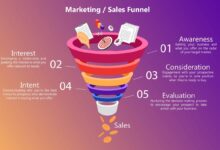

According to HubSpot, companies that excel at lead generation grow 2.5 times faster than those that don’t. The reason? High-quality leads translate into higher conversion rates, shorter sales cycles, and increased customer lifetime value. But what separates successful lead generation from wasted effort? It’s not just about volume—it’s about relevance, timing, and personalization.
What Is a B2B Lead?
A B2B lead is a business or individual within a company that has shown interest in your offering. This interest can be demonstrated through actions like downloading a whitepaper, signing up for a demo, or attending a webinar. Not all leads are created equal. They are typically categorized into:
- Marketing Qualified Leads (MQLs): Leads identified by marketing as potentially interested based on engagement.
- Sales Qualified Leads (SQLs): Leads vetted by the sales team as ready for direct outreach.
- Product Qualified Leads (PQLs): Common in SaaS, these leads have used a product (e.g., free trial) and shown intent to upgrade.
Understanding these distinctions is critical for aligning marketing and sales teams and ensuring a smooth handoff process.
Why B2B Lead Generation Matters
Without a steady stream of qualified leads, even the best products can fail. Lead generation fuels the sales pipeline, ensuring that your team has opportunities to convert. It also allows businesses to forecast revenue more accurately and allocate resources efficiently.
Moreover, effective b2b lead generation builds brand authority. When prospects engage with your content, attend your events, or interact with your sales reps, they begin to trust your brand. This trust is essential in B2B relationships, where contracts are often large and long-term.
“The goal is not just to generate leads, but to generate the right leads.” — Ann Handley, Chief Content Officer at MarketingProfs
Top 7 B2B Lead Generation Strategies That Work in 2024
The digital landscape is evolving rapidly, and so are the tactics for b2b lead generation. What worked five years ago may no longer be effective. Today’s buyers are more informed, more cautious, and more likely to research independently before engaging with sales. That’s why a modern, multi-channel approach is essential.
Below are seven proven strategies that top-performing companies use to generate high-quality B2B leads consistently.
1. Content Marketing with Purpose
Content is still king in b2b lead generation. But not just any content—content that solves real problems. According to DemandGen Report, 96% of B2B buyers want content that helps them make informed decisions.
Effective content marketing includes:
- E-books and whitepapers that dive deep into industry challenges.
- Case studies that showcase real-world success stories.
- Webinars that offer live interaction and expert insights.
- Blog posts that answer common questions and improve SEO.
Each piece of content should have a clear call-to-action (CTA), such as “Download the full guide” or “Book a consultation.” This allows you to capture lead information through gated content.
For example, a SaaS company offering project management tools might create a whitepaper titled “10 Ways to Reduce Project Overruns by 30%.” To access it, visitors must provide their name, email, and company details—turning them into a lead.
2. LinkedIn Lead Generation Campaigns
LinkedIn is the most powerful platform for b2b lead generation. With over 900 million users, including decision-makers from nearly every industry, it’s a goldmine for targeted outreach.
LinkedIn Ads allow you to target users by job title, company size, industry, and even skills. Sponsored content, InMail campaigns, and lead gen forms make it easy to capture leads directly on the platform.
For instance, a cybersecurity firm can run a Sponsored Content campaign targeting IT directors in mid-sized tech companies. The ad promotes a free security audit, and users can sign up without leaving LinkedIn—reducing friction and increasing conversion rates.
According to LinkedIn, lead generation forms on the platform have a 2x higher conversion rate than off-platform forms. Learn more about LinkedIn’s lead gen tools here.
3. Search Engine Optimization (SEO)
SEO remains one of the most cost-effective b2b lead generation strategies. When done right, it brings in organic traffic from users actively searching for solutions you offer.
Key SEO tactics include:
- Keyword research to identify high-intent search terms (e.g., “best CRM for small businesses”).
- Optimizing on-page elements like title tags, meta descriptions, and headers.
- Building high-quality backlinks from authoritative industry sites.
- Creating pillar content and topic clusters to establish topical authority.
A well-optimized blog post can rank for hundreds of related keywords and generate leads for years. For example, a logistics company might rank for “international freight forwarding services,” attracting global clients looking for reliable partners.
Tools like Ahrefs and SEMrush can help you track performance and uncover new opportunities. Visit Ahrefs to explore advanced SEO features.
Lead Magnets That Convert: Turning Visitors into Leads
A lead magnet is a free resource offered in exchange for contact information. It’s the cornerstone of b2b lead generation because it provides immediate value to the prospect while giving you a way to start a relationship.
Not all lead magnets are equally effective. The best ones are highly relevant, actionable, and tailored to a specific audience segment.
Types of High-Converting Lead Magnets
Different stages of the buyer’s journey require different types of lead magnets. Here are the most effective ones:
- Cheat Sheets & Templates: Quick-reference guides that save time (e.g., “SEO Audit Checklist”).
- Free Tools or Calculators: Interactive resources like ROI calculators or pricing estimators.
- Industry Reports & Benchmarks: Data-driven insights that help prospects benchmark their performance.
- Mini-Courses or Email Drips: Deliver value over time while building trust.
For example, a financial software company might offer a “Cash Flow Forecasting Template” for Excel. This not only captures leads but positions the company as an expert in financial planning.
How to Optimize Lead Magnets for Maximum Conversion
Even the best lead magnet won’t work if it’s not presented effectively. Follow these best practices:
- Use compelling headlines that highlight the benefit (e.g., “Get Your Free 5-Step Sales Funnel Blueprint”).
- Keep the form short—only ask for essential information.
- Use strong visuals and social proof (e.g., “Downloaded by 10,000+ marketers”).
- Deliver the resource instantly via email to reduce drop-off.
A/B testing different versions of your lead magnet landing page can significantly improve conversion rates. Tools like Unbounce or Leadpages make it easy to create and test high-performing pages.
Leveraging Email Marketing for B2B Lead Nurturing
Generating a lead is just the beginning. The real magic happens in lead nurturing—guiding prospects through the buyer’s journey with targeted communication.
Email marketing is one of the most effective channels for b2b lead generation and nurturing. According to the Data & Marketing Association, email has an average ROI of $42 for every $1 spent.
Building a High-Quality Email List
Your email list is only as good as the leads on it. Avoid buying lists—these often contain outdated or irrelevant contacts and can damage your sender reputation.
Instead, grow your list organically through:
- Website opt-in forms (pop-ups, slide-ins, embedded forms).
- Content upgrades (e.g., “Get the spreadsheet version of this guide”).
- Event registrations and webinar sign-ups.
- LinkedIn lead gen forms synced with your CRM.
Segment your list from the start. Separate leads by industry, job role, or stage in the buyer’s journey to deliver more personalized content.
Creating Nurturing Email Sequences
A well-crafted email sequence can move leads from awareness to consideration to decision. Here’s a sample 5-email nurture sequence:
- Email 1: Welcome + deliver the lead magnet.
- Email 2: Share a relevant case study or success story.
- Email 3: Offer a free consultation or demo.
- Email 4: Address common objections or FAQs.
- Email 5: Strong CTA to book a meeting or start a trial.
Automation tools like Mailchimp, HubSpot, or ActiveCampaign make it easy to set up and track these sequences. You can also trigger emails based on user behavior, such as downloading a second piece of content.
“People don’t buy products. They buy better versions of themselves.” — Seth Godin
The Role of Social Media in B2B Lead Generation
While social media is often associated with B2C marketing, it plays a crucial role in b2b lead generation as well. Platforms like LinkedIn, Twitter (X), and even YouTube are where professionals research solutions, follow industry trends, and engage with brands.
Social media allows you to humanize your brand, showcase expertise, and build relationships before the sales conversation begins.
LinkedIn: The B2B Powerhouse
LinkedIn is the undisputed leader in b2b lead generation. With 80% of B2B leads coming from the platform (LinkedIn Marketing Solutions), it’s essential for any serious campaign.
Strategies include:
- Posting regular, value-driven content (articles, infographics, videos).
- Engaging in industry groups and discussions.
- Using LinkedIn Sales Navigator to identify and connect with decision-makers.
- Running targeted ad campaigns with lead gen forms.
For example, a cloud infrastructure provider might publish a series of posts on “How to Optimize AWS Costs,” attracting CTOs and IT managers looking to reduce expenses.
Twitter (X) and YouTube for Thought Leadership
Twitter is great for real-time engagement and sharing quick insights. Use it to comment on industry news, participate in Twitter chats, and share blog links.
YouTube, on the other hand, is ideal for in-depth educational content. Tutorials, product demos, and expert interviews can position your brand as a trusted authority.
A software company might create a YouTube series called “Mastering CRM Automation,” which not only educates viewers but also drives them to a landing page for a free trial.
Measuring Success: Key Metrics in B2B Lead Generation
You can’t improve what you don’t measure. Tracking the right metrics is essential for optimizing your b2b lead generation efforts and proving ROI to stakeholders.
Here are the most important KPIs to monitor:
Lead Conversion Rate
This measures the percentage of leads that become customers. A high conversion rate indicates that your leads are well-qualified and your sales process is effective.
Formula: (Number of Customers / Number of Leads) x 100
Industry benchmarks vary, but a 5-10% conversion rate is considered good in most B2B sectors.
Cost Per Lead (CPL)
CPL tells you how much you’re spending to acquire each lead. It helps you evaluate the efficiency of your marketing channels.
Formula: Total Marketing Spend / Number of Leads Generated
If your CPL is too high, consider optimizing your targeting, improving your landing pages, or shifting budget to higher-performing channels.
Customer Acquisition Cost (CAC)
CAC goes beyond CPL—it includes all costs associated with winning a customer, including sales and marketing expenses.
Formula: Total Sales & Marketing Costs / Number of New Customers
Compare CAC to Customer Lifetime Value (LTV). A healthy LTV:CAC ratio is 3:1 or higher.
Tools like Google Analytics, HubSpot, and Salesforce can help you track these metrics in real time. Learn more about marketing analytics here.
Common B2B Lead Generation Mistakes to Avoid
Even experienced marketers make mistakes that hurt their lead generation results. Being aware of these pitfalls can save you time, money, and frustration.
Targeting Too Broadly
Trying to appeal to everyone often means resonating with no one. A generic message won’t stand out in a crowded market.
Solution: Define your ideal customer profile (ICP) and create buyer personas. Focus your messaging on their specific pain points, goals, and challenges.
Ignoring Lead Qualification
Not all leads are worth pursuing. Spending time on unqualified leads wastes resources and lowers sales team morale.
Solution: Implement a lead scoring system. Assign points based on demographic and behavioral data (e.g., job title, website visits, content downloads). Only pass high-scoring leads to sales.
Overlooking Follow-Up
Most leads don’t convert on the first touch. According to InsideSales, 80% of sales require 5 follow-ups, yet 44% of salespeople give up after one.
Solution: Automate follow-up sequences. Use email, retargeting ads, and personalized outreach to stay top-of-mind without being pushy.
“The fortune is in the follow-up.” — Gary Vaynerchuk
What is b2b lead generation?
B2B lead generation is the process of identifying and attracting businesses or professionals who are potential customers for your products or services. It involves strategies like content marketing, SEO, social media, and email campaigns to capture and nurture leads through the sales funnel.
What are the best channels for b2b lead generation?
The most effective channels include LinkedIn, email marketing, search engine optimization (SEO), content marketing, and paid advertising. The best mix depends on your industry, target audience, and resources.
How do you qualify a B2B lead?
Leads are qualified based on demographic fit (e.g., job title, company size) and behavioral signals (e.g., website visits, content downloads). Marketing and sales teams often use lead scoring to prioritize the most promising prospects.
How long does b2b lead generation take?
B2B sales cycles can range from a few weeks to over a year, depending on the product complexity and decision-making process. Consistent lead generation efforts are needed to maintain a healthy pipeline.
Can small businesses succeed at b2b lead generation?
Absolutely. Small businesses can compete by focusing on niche markets, offering personalized experiences, and leveraging cost-effective digital tools like email automation and SEO.
Mastering b2b lead generation is not about quick wins—it’s about building a sustainable system that attracts, nurtures, and converts high-quality leads over time. By combining proven strategies like content marketing, LinkedIn outreach, and email nurturing with data-driven optimization, businesses can create a predictable revenue engine. Avoid common pitfalls, measure the right metrics, and stay focused on delivering value. With consistency and strategy, your b2b lead generation efforts will fuel long-term growth and success.
Further Reading: