Generating high-quality leads in the B2B world isn’t just about casting a wide net—it’s about precision, strategy, and consistency. In this deep dive, we explore the most effective b2b lead generation techniques that actually convert.
What Is B2B Lead Generation and Why It Matters

B2B lead generation is the process of identifying and attracting businesses that may be interested in your product or service. Unlike B2C, where decisions are often emotional and impulsive, B2B purchasing involves multiple stakeholders, longer sales cycles, and a need for data-driven justification. That’s why a strategic approach to b2b lead generation is critical for sustainable growth.



The Core Difference Between B2B and B2C Lead Generation
While both aim to convert prospects into customers, the mechanics differ significantly. B2B lead generation focuses on building relationships, demonstrating value, and nurturing trust over time. B2C, on the other hand, often relies on emotional triggers and quick conversions.
- B2B decisions involve multiple decision-makers (e.g., procurement, finance, IT).
- Sales cycles can last from weeks to over a year.
- Content must be highly informative, ROI-focused, and tailored to specific industries.
“In B2B, you’re not just selling a product—you’re selling a solution to a business problem.” — HubSpot
Key Metrics That Define Success in B2B Lead Generation
To measure the effectiveness of your b2b lead generation efforts, track these critical KPIs:
- Lead Conversion Rate: The percentage of leads that become customers.
- Cost Per Lead (CPL): How much you spend to acquire one lead.
- Lead Quality Score: A rating system based on engagement, job title, company size, and intent.
- Sales Cycle Length: Time from first contact to closed deal.
- Customer Acquisition Cost (CAC): Total cost to acquire a paying customer.
According to HubSpot, companies with strong lead management practices see 133% higher ROI on marketing spend.
Top 7 B2B Lead Generation Strategies That Work in 2024
The digital landscape has transformed b2b lead generation. What worked five years ago may no longer cut it. Today’s most successful companies combine data, automation, and human touchpoints to generate high-intent leads. Let’s break down the seven most effective strategies.
1. Content Marketing with a Strategic Focus
Content is still king in b2b lead generation. But not just any content—strategic, educational, and problem-solving content that positions your brand as a thought leader.
- Create in-depth guides, whitepapers, and case studies that address pain points.
- Use gated content to capture lead information (e.g., email, company name).
- Optimize content for SEO with long-tail keywords like “best CRM for SaaS companies”.
For example, Campaign Monitor offers a free beginner’s guide to email marketing, requiring users to submit their details—turning readers into leads.
2. LinkedIn Lead Generation Campaigns
LinkedIn remains the most powerful platform for b2b lead generation. With over 900 million users, including 63 million decision-makers, it’s a goldmine for targeted outreach.
- Use LinkedIn Sales Navigator to identify and connect with ideal prospects.
- Run Sponsored Content and InMail campaigns targeting specific industries, job titles, and company sizes.
- Engage in relevant groups and publish thought leadership articles.
A study by LinkedIn Marketing Solutions found that 80% of B2B leads come from LinkedIn—more than any other social platform.
3. Account-Based Marketing (ABM)
ABM flips traditional b2b lead generation on its head. Instead of casting a wide net, you target specific high-value accounts with personalized campaigns.
- Identify target accounts based on ICP (Ideal Customer Profile).
- Create customized content, ads, and outreach for each account.
- Align sales and marketing teams to engage key stakeholders.
According to ABM Leadership Alliance, 87% of marketers report that ABM delivers higher ROI than other marketing strategies.
4. Webinars and Virtual Events
Webinars are one of the most effective tools for b2b lead generation because they combine education with engagement.
- Host live or on-demand webinars on trending industry topics.
- Require registration to capture lead data.
- Follow up with attendees using automated email sequences.
For instance, ZoomInfo uses webinars to showcase data accuracy and compliance, generating thousands of qualified leads monthly.
5. Search Engine Optimization (SEO) for B2B
While paid ads deliver quick results, SEO is the long-term engine for b2b lead generation. A well-optimized website attracts organic traffic from prospects actively searching for solutions.
- Optimize landing pages for buyer intent keywords (e.g., “enterprise project management software”).
- Build backlinks from authoritative industry sites.
- Use structured data (schema markup) to enhance search visibility.
As reported by Backlinko, pages ranking in the top 3 positions on Google get 50-60% of all clicks.
6. Cold Email Outreach with Hyper-Personalization
Cold email is not dead—it’s evolving. The key to success in b2b lead generation via email is personalization and relevance.
- Use prospect’s name, company, recent news, or mutual connections.
- Keep emails short, value-driven, and action-oriented.
- Leverage tools like Hunter.io or Apollo.io for accurate contact data.
A study by Salesforce shows that personalized emails improve response rates by up to 29%.
7. Strategic Partnerships and Co-Marketing
Partnering with complementary businesses can exponentially increase your b2b lead generation reach.
- Co-host webinars, co-author whitepapers, or bundle services.
- Share audiences through email swaps or joint campaigns.
- Ensure alignment in brand values and target audience.
For example, Shopify partners with accounting software like QuickBooks to cross-promote services to mutual customers.
The Role of Technology in Modern B2B Lead Generation
Technology has become the backbone of successful b2b lead generation. From automation to AI, the right tools can scale your efforts and improve lead quality.
Marketing Automation Platforms
Tools like HubSpot, Marketo, and Pardot allow you to automate lead nurturing, scoring, and segmentation.
- Set up drip email campaigns based on user behavior.
- Score leads based on engagement (e.g., email opens, page visits).
- Integrate with CRM systems for seamless handoff to sales.
According to Marketo, companies using marketing automation see a 451% increase in qualified leads.
AI-Powered Lead Scoring and Predictive Analytics
AI tools analyze historical data to predict which leads are most likely to convert.
- Use platforms like 6sense or Infer to identify buying intent signals.
- Focus sales efforts on high-propensity leads.
- Reduce wasted time on low-quality prospects.
Research from Gartner shows that organizations using predictive analytics achieve 2.9x higher lead conversion rates.
CRM Integration for Seamless Lead Management
A robust CRM like Salesforce or Zoho CRM is essential for tracking every interaction in the b2b lead generation funnel.
- Log calls, emails, meetings, and follow-ups.
- Assign leads to sales reps based on territory or expertise.
- Generate reports on lead source performance and ROI.
CRM adoption increases sales productivity by 29%, according to Nucleus Research.
How to Build a High-Converting B2B Lead Generation Funnel
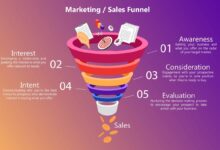
A well-structured funnel guides prospects from awareness to decision. Each stage requires tailored messaging and tactics.
Top of Funnel (TOFU): Awareness and Attraction
This stage is about attracting strangers and turning them into visitors.
- Use SEO-optimized blog posts, social media, and paid ads.
- Focus on educational content: “What is cloud computing?”, “How to reduce SaaS churn”.
- Drive traffic to landing pages with clear CTAs.
Middle of Funnel (MOFU): Engagement and Nurturing
Now, prospects know your brand. Your goal is to build trust and demonstrate value.
- Offer gated content like eBooks, checklists, or templates.
- Send targeted email sequences with case studies and product comparisons.
- Use retargeting ads to stay top-of-mind.
Bottom of Funnel (BOFU): Conversion and Decision
These leads are ready to buy. Your job is to make the decision easy.
- Provide free trials, demos, or consultations.
- Share customer testimonials and ROI calculators.
- Offer limited-time discounts or onboarding support.
“The best lead generation funnel doesn’t push—it pulls prospects in with value.” — Neil Patel
Common B2B Lead Generation Mistakes to Avoid
Even experienced marketers make errors that sabotage their b2b lead generation results. Here are the most common pitfalls and how to avoid them.
Mistake 1: Targeting the Wrong Audience
Not all businesses are your ideal customers. Failing to define your Ideal Customer Profile (ICP) leads to wasted effort.
- Define ICP based on industry, company size, revenue, tech stack, and pain points.
- Use firmographic and behavioral data to refine targeting.
- Regularly update your ICP based on customer feedback and sales insights.
Mistake 2: Poor Lead Qualification
Not all leads are created equal. Sending unqualified leads to sales damages trust and wastes time.
- Implement a lead scoring model (e.g., 1–100 points based on engagement).
- Use BANT (Budget, Authority, Need, Timeline) or CHAMP (Challenges, Authority, Money, Prioritization) frameworks.
- Set clear SLAs between marketing and sales on lead handoff.
Mistake 3: Ignoring Follow-Up
80% of leads require 5+ follow-ups before converting, yet most companies give up after 1 or 2.
- Automate follow-up sequences with personalized messaging.
- Use multiple channels: email, phone, LinkedIn, SMS.
- Track response rates and optimize timing and content.
As Sales.org reports, 35% of sales go to the vendor that responds first.
Measuring and Optimizing Your B2B Lead Generation Performance
Generating leads is only half the battle. You must continuously measure, analyze, and optimize your b2b lead generation efforts.
Key Performance Indicators (KPIs) to Track
Monitor these metrics to assess campaign health:
- Conversion Rate by Channel (e.g., LinkedIn vs. SEO)
- Cost Per Acquisition (CPA)
- Lead-to-Customer Rate
- Marketing Qualified Lead (MQL) to Sales Qualified Lead (SQL) Ratio
- Return on Ad Spend (ROAS)
A/B Testing for Continuous Improvement
Small changes can have big impacts. Test everything:
- Email subject lines, CTAs, landing page copy, ad creatives.
- Use tools like Google Optimize or Unbounce for split testing.
- Run tests for at least 2 weeks to ensure statistical significance.
Using Data to Refine Your Strategy
Leverage analytics platforms (Google Analytics, HubSpot, Salesforce) to uncover insights:
- Identify which content generates the most leads.
- Discover drop-off points in your funnel.
- Adjust budget allocation based on channel performance.
Future Trends in B2B Lead Generation
The future of b2b lead generation is intelligent, personalized, and data-driven. Staying ahead requires embracing emerging trends.
Rise of Predictive Lead Scoring
AI will increasingly predict which leads are most likely to convert based on behavioral and firmographic data.
- Platforms like 6sense and Demandbase are leading this shift.
- Expect real-time intent signals from website visitors.
- Integration with CRM and marketing automation will become seamless.
Growth of Conversational Marketing
Chatbots and AI-powered messaging are transforming how leads are engaged.
- Use chatbots to qualify leads 24/7.
- Deploy live chat for instant support during high-intent sessions.
- Personalize conversations based on visitor behavior.
According to Drift, 64% of visitors expect to connect with a business in real time.
Increased Focus on Privacy and Compliance
With GDPR, CCPA, and evolving data laws, b2b lead generation must prioritize consent and transparency.
- Obtain explicit opt-in for email communications.
- Clearly state data usage in privacy policies.
- Audit third-party tools for compliance.
What is b2b lead generation?
B2B lead generation is the process of attracting and converting other businesses into potential customers for your product or service. It involves strategies like content marketing, LinkedIn outreach, webinars, and account-based marketing to generate qualified leads.
What are the best channels for b2b lead generation?
The most effective channels include LinkedIn, SEO, email marketing, webinars, and paid advertising on platforms like Google Ads and LinkedIn Ads. The best channel depends on your audience and industry.
How do you qualify b2b leads?
Use frameworks like BANT (Budget, Authority, Need, Timeline) or CHAMP (Challenges, Authority, Money, Prioritization) and implement lead scoring based on engagement and firmographic data.
How much should I spend on b2b lead generation?
Marketing budgets vary, but B2B companies typically spend 7–10% of revenue on marketing. Allocate based on ROI, with higher investment in high-performing channels.
Can small businesses succeed in b2b lead generation?
Absolutely. Small businesses can leverage niche targeting, personalized outreach, and cost-effective digital tools to generate high-quality leads without a large budget.
B2B lead generation is not a one-size-fits-all game. It requires a blend of strategy, technology, and persistence. By focusing on high-intent channels, leveraging automation, and continuously optimizing based on data, businesses can build a predictable pipeline of qualified leads. The future belongs to those who combine human insight with intelligent tools to deliver value at every stage of the buyer’s journey.
Further Reading: