In today’s fast-paced digital world, b2b marketing automation isn’t just a luxury—it’s a necessity. Companies leveraging automation see faster lead conversion, smarter targeting, and higher ROI. Let’s dive into how it transforms modern B2B marketing.
What Is B2B Marketing Automation and Why It Matters

B2B marketing automation refers to the use of software and technologies to streamline, automate, and measure marketing tasks and workflows in business-to-business environments. Unlike B2C, where decisions are often emotional and quick, B2B sales cycles are longer, involve multiple stakeholders, and require precise nurturing. Automation helps marketers manage these complexities efficiently.
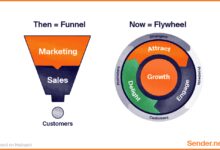



Defining B2B Marketing Automation
At its core, b2b marketing automation is about reducing manual effort while increasing precision. It involves tools that automate repetitive tasks such as email campaigns, social media posting, lead scoring, and customer segmentation. These systems integrate with CRM platforms like Salesforce or HubSpot to ensure seamless data flow across departments.
- Automates lead generation and nurturing
- Tracks user behavior across digital touchpoints
- Enables personalized communication at scale
According to Marketing Dive, companies using marketing automation see a 451% increase in qualified leads.
Key Differences Between B2B and B2C Marketing Automation
While both B2B and B2C automation aim to improve efficiency, their execution differs significantly. B2B buyers typically go through a longer decision-making process involving multiple departments, budgets, and approval layers. This makes lead nurturing more complex and time-consuming.
- B2B: Focuses on account-based marketing (ABM), longer sales cycles, and relationship-building
- B2C: Emphasizes instant gratification, emotional triggers, and mass personalization
- B2B automation tools prioritize lead scoring, pipeline visibility, and sales alignment
“In B2B, automation isn’t about replacing humans—it’s about empowering them with data and timing.” — Ann Handley, Chief Content Officer at MarketingProfs
Core Benefits of B2B Marketing Automation
Implementing b2b marketing automation offers tangible advantages across departments. From boosting productivity to improving customer experience, the benefits are both strategic and operational.
Increased Lead Conversion Rates
One of the most compelling reasons to adopt b2b marketing automation is its impact on lead conversion. Automated workflows guide prospects through the buyer’s journey with targeted content, timely follow-ups, and dynamic scoring.
- Nurturing campaigns can increase conversions by up to 50%
- Automated drip emails keep prospects engaged without manual intervention
- Behavior-triggered messages improve relevance and response rates
For example, a SaaS company using HubSpot reported a 72% rise in marketing-qualified leads within six months of automation implementation.
Improved Sales and Marketing Alignment
One of the biggest challenges in B2B organizations is the gap between sales and marketing teams. B2b marketing automation bridges this divide by providing shared visibility into lead status, engagement levels, and campaign performance.
- Unified dashboards show real-time lead progression
- Lead scoring models ensure only high-intent prospects are passed to sales
- Automated alerts notify sales reps when a lead reaches a threshold
A study by Salesforce found that companies with strong sales-marketing alignment achieve 36% higher customer retention and 38% higher sales win rates.
Scalability and Operational Efficiency
As businesses grow, manually managing thousands of leads becomes unsustainable. B2b marketing automation allows companies to scale their outreach without proportional increases in staff or effort.
- One campaign can reach thousands of contacts across segments
- Content personalization happens dynamically based on user data
- Reporting and analytics are automated, saving hours of manual work
This scalability is especially crucial for enterprise-level organizations running global campaigns across time zones and industries.
Essential Components of a B2B Marketing Automation Strategy
A successful b2b marketing automation strategy isn’t just about buying software—it’s about building a system that aligns with your business goals, buyer personas, and sales funnel. Here are the foundational components every organization should consider.
Lead Generation and Capture Mechanisms
Before automation can nurture leads, you need a steady stream of them. Effective lead generation starts with compelling content offers—ebooks, webinars, whitepapers—gated behind forms that capture essential data.
- Landing pages optimized for conversion
- Smart CTAs that change based on visitor behavior
- Integration with LinkedIn Lead Gen Forms for targeted outreach
Tools like Marketo and Pardot offer advanced form tracking and lead capture features tailored for B2B environments.
Lead Scoring and Segmentation
Not all leads are created equal. B2b marketing automation uses lead scoring to rank prospects based on their engagement level, demographic fit, and buying intent.
- Demographic scoring: job title, company size, industry
- Behavioral scoring: page visits, email opens, content downloads
- Threshold-based routing: leads above a score are auto-routed to sales
Segmentation ensures that messaging is relevant. A CTO receives technical deep dives, while a CFO gets ROI-focused case studies—all delivered automatically.
Multi-Channel Campaign Management
B2B buyers interact across multiple channels—email, social media, websites, and ads. B2b marketing automation platforms enable coordinated campaigns across these touchpoints.
- Email sequences triggered by website behavior
- Retargeting ads for visitors who didn’t convert
- Social media scheduling and engagement tracking
Platforms like Oracle Eloqua provide robust cross-channel orchestration, ensuring consistent messaging and brand voice.
Top B2B Marketing Automation Tools in 2024
Choosing the right tool is critical to the success of your b2b marketing automation efforts. The market is crowded, but several platforms stand out for their functionality, integration capabilities, and ease of use.
HubSpot: All-in-One Marketing Powerhouse
HubSpot remains one of the most popular choices for mid-sized B2B companies due to its intuitive interface and comprehensive feature set.
- Free CRM integration
- Drag-and-drop workflow builder
- Content management, SEO tools, and analytics in one platform
Its strength lies in simplicity and scalability. As your needs grow, you can upgrade to Enterprise-level features without switching systems.
Marketo Engage: Enterprise-Grade Automation
Acquired by Adobe, Marketo Engage is built for large enterprises with complex sales cycles and global operations.
- Advanced segmentation and AI-driven recommendations
- Strong integration with Salesforce and Microsoft Dynamics
- ABM-focused features for targeting key accounts
While powerful, Marketo has a steeper learning curve and higher cost, making it ideal for teams with dedicated marketing operations staff.
Pardot by Salesforce: Deep CRM Integration
If your organization already uses Salesforce, Pardot offers seamless integration and real-time data syncing between marketing and sales.
- Native Salesforce dashboard visibility
- Automated lead assignment rules
- B2B-specific features like engagement studio and Einstein AI scoring
Pardot excels in environments where sales teams rely heavily on CRM data. However, it may lack some of the creative flexibility found in HubSpot.
How to Build a Successful B2B Marketing Automation Funnel
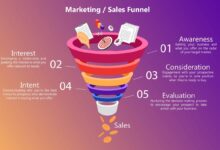
A well-structured funnel is the backbone of effective b2b marketing automation. It guides prospects from awareness to decision, delivering the right message at the right time.
Awareness Stage: Attracting the Right Audience
The top of the funnel (TOFU) focuses on education and visibility. Content should address pain points, industry trends, and common challenges.
- Blog posts, infographics, and SEO-optimized content
- Paid search and social media campaigns targeting keywords
- Webinars and virtual events to capture early interest
Automation tools can track which content performs best and automatically promote high-engagement pieces to similar audiences.
Consideration Stage: Nurturing Leads with Value
In the middle of the funnel (MOFU), prospects are evaluating solutions. This is where b2b marketing automation shines through personalized nurturing.
- Drip email campaigns with case studies and product comparisons
- Retargeting ads highlighting unique selling propositions
- Interactive content like ROI calculators or quizzes
Behavioral triggers ensure that if a lead downloads a pricing guide, they receive follow-up emails about implementation and support.
Decision Stage: Accelerating Conversion
At the bottom of the funnel (BOFU), leads are ready to buy. Automation helps push them over the edge with timely, high-impact messaging.
- Personalized demo offers or free trials
- Urgency-based emails (e.g., limited-time discounts)
- Auto-scheduling meetings with sales reps via Calendly integration
According to Gartner, companies using automated decision-stage campaigns see a 30% faster sales cycle.
Integrating B2B Marketing Automation with CRM and Sales Tools
True success in b2b marketing automation comes not from isolated campaigns, but from seamless integration with your broader tech stack—especially CRM and sales enablement tools.
Synchronizing Data Between Marketing and Sales Systems
Data silos kill efficiency. When marketing automation platforms sync in real-time with CRMs like Salesforce or Microsoft Dynamics, both teams operate from the same truth.
- Leads created in forms instantly appear in the CRM
- Sales reps see a full history of email opens, clicks, and page visits
- Marketing gets feedback on which leads converted, enabling optimization
This bi-directional flow ensures accountability and improves forecasting accuracy.
Using Automation for Sales Enablement
B2b marketing automation isn’t just for marketers—it’s a powerful tool for sales teams. Automated playbooks can deliver relevant content directly to reps based on deal stage.
- Auto-sending proposal templates when a lead reaches 80 points
- Alerting reps when a target account visits the pricing page
- Providing battle cards and competitor comparisons on demand
This reduces response time and increases the relevance of sales conversations.
Measuring ROI with Closed-Loop Reporting
One of the most valuable features of integrated systems is closed-loop reporting—the ability to trace a sale back to its original marketing campaign.
- See which channels generate the most revenue
- Identify underperforming campaigns and optimize spend
- Prove marketing’s contribution to the bottom line
According to CMO.com, companies using closed-loop reporting are 2.3x more likely to report high marketing ROI.
Common Challenges in B2B Marketing Automation (And How to Overcome Them)
Despite its benefits, b2b marketing automation isn’t without hurdles. Many organizations struggle with implementation, data quality, and team adoption.
Data Quality and List Management
Poor data is the #1 reason automation fails. Outdated emails, incorrect job titles, or missing firmographics lead to irrelevant messaging and low engagement.
- Regularly clean and validate your database
- Use double opt-in forms to ensure accuracy
- Integrate with data enrichment tools like Clearbit or ZoomInfo
Investing in data hygiene upfront saves time and improves deliverability in the long run.
Over-Automation and Losing the Human Touch
While automation increases efficiency, overdoing it can make communication feel robotic. B2B buyers still value personal relationships.
- Use dynamic content to personalize beyond just the name
- Allow for manual follow-ups after key interactions
- Monitor engagement and switch to human outreach when needed
“Automation should enhance, not replace, human connection.” — David Raab, Founder of the Customer Experience Professionals Association
Lack of Internal Alignment and Training
Even the best tools fail without proper training and cross-functional buy-in. Sales teams may resist if they don’t understand how automation supports them.
- Conduct regular training sessions for both marketing and sales
- Create shared KPIs to align goals
- Appoint a marketing operations manager to oversee the system
Culture change takes time, but consistent communication and transparency build trust.
Future Trends in B2B Marketing Automation
The landscape of b2b marketing automation is evolving rapidly, driven by AI, predictive analytics, and changing buyer expectations.
AI-Powered Predictive Lead Scoring
Traditional lead scoring relies on rules set by humans. AI-powered systems learn from historical data to predict which leads are most likely to convert.
- Reduces guesswork in campaign targeting
- Identifies hidden patterns in buyer behavior
- Improves accuracy over time with machine learning
Platforms like Salesfusion and InsideView are already integrating AI to enhance lead prioritization.
Account-Based Marketing (ABM) Automation
ABM is becoming the gold standard in B2B marketing, and automation is making it scalable. Instead of targeting individuals, companies now focus on entire accounts.
- Automated ad targeting for specific companies
- Personalized landing pages for key accounts
- Multi-touch campaigns across decision-makers
According to ABM Institute, 87% of marketers using ABM report higher ROI than with other strategies.
Integration with Conversational AI and Chatbots
Chatbots are no longer just for customer service. In b2b marketing automation, they qualify leads 24/7, book meetings, and answer FAQs.
- Qualify leads before routing to sales
- Trigger follow-up emails based on chat transcripts
- Integrate with Slack or Teams for real-time alerts
When combined with automation workflows, chatbots create a frictionless buyer experience.
What is b2b marketing automation?
B2B marketing automation is the use of software to automate repetitive marketing tasks such as email campaigns, lead scoring, social media posting, and customer segmentation in business-to-business contexts. It helps companies nurture leads, align sales and marketing, and improve ROI through data-driven strategies.
Which b2b marketing automation tool is best for small businesses?
For small businesses, HubSpot is often the best choice due to its user-friendly interface, free CRM, and scalable pricing. It offers essential automation features without requiring a large team or technical expertise.
How does b2b marketing automation improve lead conversion?
It improves conversion by delivering personalized, timely content based on user behavior and engagement. Automated workflows nurture leads through the sales funnel, score them based on intent, and ensure sales teams focus on the most qualified prospects.
Can b2b marketing automation work with Salesforce?
Yes, many b2b marketing automation platforms like Pardot, Marketo, and HubSpot integrate seamlessly with Salesforce. This enables real-time data sync, unified dashboards, and closed-loop reporting for better sales and marketing alignment.
Is b2b marketing automation worth the investment?
Yes, when implemented correctly. Studies show that companies using b2b marketing automation see higher lead generation, faster sales cycles, and improved ROI. The key is aligning automation with clear goals, clean data, and team training.
B2B marketing automation is no longer optional—it’s a strategic imperative. From lead generation to sales enablement, the right automation strategy enhances efficiency, improves targeting, and drives revenue growth. By choosing the right tools, integrating with CRM systems, and staying ahead of trends like AI and ABM, businesses can build scalable, data-driven marketing engines. The future belongs to those who automate intelligently, not just extensively.
Further Reading: