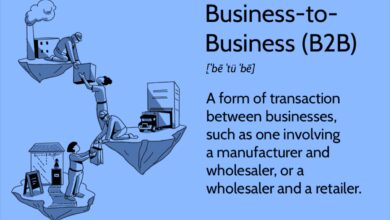
In today’s hyper-connected global economy, the b2b marketplace has evolved from a niche digital tool into a powerhouse of industrial commerce. No longer just a digital catalog, modern B2B marketplaces are reshaping how businesses source, sell, and scale.
What Exactly Is a B2B Marketplace?

A B2B marketplace, or business-to-business marketplace, is an online platform where companies buy and sell goods and services to one another. Unlike traditional retail models, these platforms cater specifically to organizational needs—ranging from raw materials and industrial equipment to software solutions and logistics services.






Core Definition and Functionality
At its heart, a b2b marketplace functions as a digital intermediary. It connects suppliers and buyers in a centralized environment, streamlining procurement, reducing transaction friction, and enabling scalable commerce. Think of it as Amazon or Alibaba—but designed for enterprise-level transactions.
- Facilitates bulk ordering and long-term contracts
- Supports complex pricing models (volume discounts, tiered pricing)
- Integrates with ERP, CRM, and supply chain systems
Key Differences Between B2C and B2B Marketplaces
While B2C (business-to-consumer) platforms focus on impulse buys and user experience, b2b marketplace dynamics are driven by relationships, negotiation, and operational efficiency.
- Decision-making: B2B involves multiple stakeholders; B2C is typically individual-driven.
- Purchasing volume: B2B orders are larger and recurring; B2C is smaller and sporadic.
- Customization: B2B allows for tailored contracts, invoicing, and delivery terms.
“The average B2B buyer is now 70% through their journey before speaking to a sales rep.” — Gartner
Why B2B Marketplaces Are Revolutionizing Global Trade
The rise of digital transformation has made b2b marketplace platforms not just convenient—but essential. Companies leveraging these platforms report faster procurement cycles, lower operational costs, and improved supplier visibility.
Accelerated Procurement Cycles
Traditional procurement could take weeks due to RFQs (Request for Quotation), negotiations, and approvals. B2B marketplaces automate much of this process. Buyers can instantly compare suppliers, check certifications, and place orders—all within a single interface.
- Real-time inventory visibility
- Automated quote generation
- Digital contract signing and e-procurement workflows
Global Supplier Access and Diversity
One of the most transformative aspects of a b2b marketplace is the ability to source globally. A manufacturer in Germany can now seamlessly purchase components from a supplier in Vietnam, all through a trusted digital platform.
- Reduces dependency on local suppliers
- Enables competitive pricing through global bidding
- Supports supply chain resilience by diversifying sources
Top 7 B2B Marketplaces Dominating the Industry
Not all b2b marketplace platforms are created equal. Some specialize in industrial goods, others in digital services or raw materials. Here are seven of the most influential players shaping the landscape.
1. Alibaba.com
As the world’s largest wholesale b2b marketplace, Alibaba connects millions of suppliers—mostly from China and Southeast Asia—with buyers across the globe. It’s particularly dominant in electronics, textiles, and machinery.
- Over 200,000 verified suppliers
- Trade Assurance program protects buyers
- Integrated logistics and payment solutions
Learn more at Alibaba.com.
2. Amazon Business
A dedicated arm of Amazon, Amazon Business serves over 5 million businesses worldwide. It offers a familiar interface with B2B-specific features like bulk pricing, tax-exempt purchasing, and business-only product lines.
- Seamless integration with Amazon’s logistics network
- Business Prime membership for faster shipping
- Spend visibility tools for finance teams
Explore Amazon Business at Amazon Business.
3. Thomasnet
Focused on North American industrial suppliers, Thomasnet is a go-to b2b marketplace for engineers and procurement professionals in manufacturing, aerospace, and construction.
- Extensive database of U.S.-based suppliers
- Advanced filtering by material, process, and certification
- RFQ submission directly to multiple vendors
Visit Thomasnet for industrial sourcing.
4. Kompass
Kompass operates as a global B2B directory and marketplace, offering detailed company profiles across 60+ industries. It’s particularly useful for identifying niche suppliers and service providers.
- Coverage in over 100 countries
- Industry-specific categorization
- Direct contact and lead generation tools
Check out Kompass for international supplier discovery.
5. Faire
Originally B2C-focused, Faire has expanded into B2B by connecting independent brands with retail stores. It’s a prime example of how b2b marketplace models are evolving beyond traditional industrial sectors.
- Net 60 payment terms for retailers
- Free returns on first orders
- Data-driven product recommendations
Discover wholesale brands at Faire.
6. Mercateo
A leading European B2B e-procurement platform, Mercateo serves public institutions and private enterprises with a focus on office supplies, IT equipment, and facility management products.
- Strong presence in Germany, Austria, and Switzerland
- Integration with SAP and other ERP systems
- Transparent pricing and compliance tracking
Learn more at Mercateo.
7. Flexport Market
While not a traditional product marketplace, Flexport Market is a game-changer in logistics. It’s a b2b marketplace for freight and supply chain services, allowing companies to book ocean, air, and trucking capacity in real time.
- Transparent pricing and capacity availability
- End-to-end shipment tracking
- Integration with Flexport’s digital freight platform
Explore logistics solutions at Flexport Market.
How to Choose the Right B2B Marketplace for Your Business
Selecting the right b2b marketplace isn’t just about popularity—it’s about alignment with your business model, industry, and growth goals.
Assess Your Industry and Product Type
Not every marketplace supports every product category. For example, a chemical manufacturer won’t benefit from Faire, just as a boutique clothing brand might struggle on Thomasnet.
- Match your product to the marketplace’s core vertical
- Check for category-specific certifications (e.g., ISO, FDA)
- Review competitor presence to gauge market saturation
Evaluate Platform Fees and Commission Structures
Most b2b marketplace platforms charge either listing fees, transaction commissions, or subscription models. Understanding these costs is critical to maintaining margins.
- Alibaba: Free listings, but charges for premium memberships
- Amazon Business: 15% referral fee on most categories
- Thomasnet: Free for buyers, paid supplier profiles
“Hidden fees can erode up to 30% of your marketplace profits.” — McKinsey & Company
Integration and Scalability
A good b2b marketplace should integrate with your existing tech stack—ERP, inventory management, and accounting software. Poor integration leads to data silos and operational inefficiencies.
- Look for API access and pre-built connectors
- Test sync capabilities with platforms like SAP, Oracle, or NetSuite
- Ensure the platform can scale with your order volume
The Role of Technology in Modern B2B Marketplaces
Behind every successful b2b marketplace is a robust technology stack. From AI-driven recommendations to blockchain-based contracts, technology is redefining how B2B commerce operates.
Artificial Intelligence and Personalization
AI is no longer a luxury—it’s a necessity. Leading b2b marketplace platforms use machine learning to personalize product recommendations, optimize pricing, and predict demand.
- Amazon Business uses AI to suggest frequently bought items
- Faire leverages data to recommend trending products to retailers
- Dynamic pricing engines adjust quotes based on demand and inventory
Blockchain for Trust and Transparency
In industries like pharmaceuticals or aerospace, verifying the authenticity and origin of goods is critical. Blockchain technology enables immutable records of transactions, certifications, and shipments.
- IBM’s TradeLens (now discontinued) pioneered blockchain in supply chains
- Startups like VeChain are building B2B marketplaces with built-in blockchain verification
- Smart contracts automate payments upon delivery confirmation
Cloud-Based Infrastructure and SaaS Models
Modern b2b marketplace platforms are built on scalable cloud infrastructure, allowing for high availability, rapid deployment, and global access.
- Platforms like Shopify Plus now support B2B storefronts
- SaaS models reduce upfront IT costs
- Multi-tenant architectures allow for customized buyer experiences
Challenges and Risks in B2B Marketplaces
Despite their advantages, b2b marketplace platforms come with inherent risks. From data security to brand dilution, businesses must navigate these challenges carefully.
Data Security and Compliance
B2B transactions often involve sensitive data—pricing contracts, customer lists, and intellectual property. A breach can be catastrophic.
- Ensure the marketplace complies with GDPR, CCPA, and industry-specific regulations
- Use two-factor authentication and encrypted communications
- Audit third-party access to your data
Brand Control and Customer Relationships
When you sell through a third-party b2b marketplace, you risk losing direct touch with your customers. The platform becomes the face of the transaction.
- Buyers may associate your product with the marketplace brand
- Difficulty in gathering first-party customer data
- Platform policies may restrict marketing or pricing freedom
Dependency and Lock-In
Over-reliance on a single b2b marketplace can create vendor lock-in. If the platform changes fees, policies, or algorithms, your business could suffer overnight.
- Diversify across multiple marketplaces
- Maintain your own direct sales channels
- Negotiate service-level agreements (SLAs) where possible
Future Trends Shaping the B2B Marketplace Landscape
The b2b marketplace of tomorrow will be more intelligent, integrated, and inclusive. Here are seven trends that will define the next decade of B2B commerce.
1. Vertical-Specific Marketplaces Will Dominate
Generalist platforms like Alibaba will face competition from specialized marketplaces focused on niches like medical devices, renewable energy components, or food ingredients.
- Higher trust due to industry-specific vetting
- Better product matching and compliance tools
- Stronger community and networking features
2. AI-Powered Procurement Assistants
Imagine a virtual procurement officer that automatically identifies the best suppliers, negotiates pricing, and places orders. AI assistants will become standard in enterprise procurement.
- Natural language processing for RFQ automation
- Predictive analytics for demand forecasting
- Autonomous purchasing within predefined budgets
3. Sustainability as a Marketplace Filter
With ESG (Environmental, Social, and Governance) reporting becoming mandatory in many regions, buyers will demand transparency on carbon footprint, labor practices, and recyclability.
- Marketplaces will introduce “green badges” for sustainable suppliers
- Carbon tracking integrated into shipping and sourcing
- Preference algorithms favoring low-impact vendors
4. Embedded Finance and Instant Credit
Financing will be built directly into b2b marketplace transactions. Buyers will access instant credit lines, while suppliers receive faster payouts.
- Amazon Business offers Business Line of Credit
- Alibaba’s Ant Group provides trade financing
- Fintech partnerships enabling invoice factoring and dynamic discounting
5. Augmented Reality (AR) for Product Visualization
Industrial buyers will use AR to visualize how components fit into machinery or how office furniture looks in a workspace—before purchasing.
- 3D product models viewable via smartphone or AR glasses
- Integration with CAD and BIM systems
- Reduced returns due to better pre-purchase understanding
6. Decentralized Marketplaces Using Web3
Blockchain and decentralized identity could give rise to peer-to-peer b2b marketplace platforms without central intermediaries, reducing fees and increasing transparency.
- Smart contracts enforce terms automatically
- Token-based reputation systems replace reviews
- DAOs (Decentralized Autonomous Organizations) govern platform rules
7. Hyper-Personalization Through Data Analytics
Future b2b marketplace platforms will leverage deep data analytics to offer hyper-personalized experiences—tailoring everything from product feeds to support channels.
- Behavioral tracking to anticipate buyer needs
- Custom dashboards for different buyer personas
- AI-driven content and support recommendations
Building Your Own B2B Marketplace: A Strategic Guide
For some companies, joining an existing b2b marketplace isn’t enough. They choose to build their own—either as a private network for partners or as a public platform to monetize industry expertise.
Define Your Value Proposition
Why would suppliers and buyers choose your platform over established players? Your value proposition must be clear and compelling.
- Focus on underserved niches or geographies
- Offer superior service, lower fees, or better technology
- Solve a specific pain point (e.g., slow customs clearance, lack of certification data)
Choose the Right Technology Stack
Building a b2b marketplace requires a scalable, secure, and flexible architecture. You can build from scratch, use open-source solutions, or leverage SaaS platforms.
- Magento (Adobe Commerce) for enterprise-grade B2B
- SharePoint + custom development for private networks
- Platforms like Arcadier or Marketplaceify for no-code/low-code builds
Onboard Suppliers and Buyers Strategically
Marketplaces suffer from the “chicken-and-egg” problem: buyers won’t come without suppliers, and suppliers won’t join without buyers.
- Start with a curated list of high-quality suppliers
- Offer incentives for early adopters (fee waivers, marketing support)
- Use direct sales teams to recruit key accounts
Success Stories: Companies Thriving in B2B Marketplaces
Real-world examples demonstrate the transformative power of a well-executed b2b marketplace strategy.
Case Study: Siemens and Siemens Marketplace
Siemens launched its own B2B marketplace to sell industrial automation products directly to manufacturers. By controlling the customer experience, they increased margins and gathered valuable data.
- Integrated with Siemens’ existing customer portal
- Offers technical documentation and configurators
- Resulted in 25% increase in online sales within first year
Case Study: Grainger and Zoro
Grainger, a traditional industrial supplier, launched Zoro as a digital-first b2b marketplace to compete with Amazon Business. Zoro offers a simplified interface, fast shipping, and competitive pricing.
- Zoro now accounts for over 20% of Grainger’s total revenue
- Leverages Grainger’s vast inventory and logistics network
- Focuses on small and mid-sized businesses underserved by Grainger’s core model
Case Study: Tata Steel and SteelMart
Tata Steel launched SteelMart, a digital b2b marketplace for steel products in India. It connects mills directly with fabricators, reducing middlemen and improving price transparency.
- Over 10,000 registered buyers in first 18 months
- Real-time pricing based on market indices
- Integrated with logistics and payment gateways
What is a B2B marketplace?
A B2B marketplace is an online platform where businesses buy and sell products or services to other businesses. It streamlines procurement, enhances supplier discovery, and supports digital transformation in supply chains.
How do B2B marketplaces make money?
B2B marketplaces generate revenue through various models, including transaction fees, subscription plans, listing fees, advertising, and value-added services like logistics or financing.
Are B2B marketplaces safe for large transactions?
Yes, reputable b2b marketplace platforms implement robust security measures, including encryption, identity verification, and escrow services. However, due diligence is essential—always verify supplier credentials and use secure payment methods.
Can small businesses benefit from B2B marketplaces?
Absolutely. B2B marketplaces level the playing field by giving small businesses access to global buyers, competitive pricing tools, and digital infrastructure that would otherwise be cost-prohibitive.
What’s the difference between a B2B marketplace and a distributor?
A distributor buys and resells products, taking ownership of inventory. A b2b marketplace is a platform that connects buyers and sellers without owning the goods, acting as a facilitator rather than a reseller.
The b2b marketplace is no longer a futuristic concept—it’s the present and future of business commerce. From global sourcing and AI-driven procurement to sustainability and embedded finance, these platforms are redefining how companies operate. Whether you’re a buyer, seller, or entrepreneur, understanding and leveraging the power of B2B marketplaces is essential for staying competitive in the digital age. The key is to choose the right platform, mitigate risks, and stay ahead of emerging trends. The marketplace revolution is here—and it’s transforming business as we know it.
Further Reading: