Want to grow your business fast? Mastering customer acquisition is the key. It’s not just about getting leads—it’s about turning them into loyal customers with smart, data-driven strategies.
Customer Acquisition: Definition and Why It Matters

Customer acquisition refers to the process of bringing new customers to your business. It’s one of the most critical aspects of growth, especially in competitive markets. Whether you’re a startup or an established brand, understanding how to attract and convert prospects efficiently can make or break your success.



What Exactly Is Customer Acquisition?
Customer acquisition is the strategic process businesses use to identify, attract, and convert potential customers into paying clients. This involves a mix of marketing, sales, and customer experience efforts designed to guide prospects through the buyer’s journey—from awareness to purchase.
- Involves multiple touchpoints across digital and offline channels
- Relies on data to optimize conversion paths
- Requires alignment between marketing, sales, and product teams
Unlike customer retention, which focuses on keeping existing customers, customer acquisition zeroes in on expanding your user base. However, both are interconnected—acquiring the right customers often leads to higher retention rates.
Why Customer Acquisition Is Crucial for Business Growth
Without new customers, even the most profitable business will eventually plateau. Customer acquisition fuels revenue growth, market expansion, and brand visibility. According to McKinsey, companies that excel at customer acquisition grow revenues 2–3x faster than their peers.
- Drives top-line revenue and market share
- Enables economies of scale in operations
- Provides valuable data for product and marketing optimization
“Acquiring a new customer can cost five times more than retaining an existing one, but without acquisition, there’s no base to retain.” — Harvard Business Review
Customer Acquisition Cost (CAC): Measuring Efficiency
One of the most important metrics in customer acquisition is Customer Acquisition Cost (CAC). This measures how much you spend to acquire a single customer, including all marketing and sales expenses.
How to Calculate CAC
The formula for CAC is simple:
CAC = Total Marketing & Sales Expenses / Number of New Customers Acquired
For example, if you spend $10,000 on ads, salaries, and tools in a month and acquire 200 customers, your CAC is $50.
- Include all relevant costs: ad spend, salaries, software, agency fees
- Track CAC over time to identify trends
- Compare CAC across channels to find the most efficient ones
It’s essential to break down CAC by channel (e.g., social media, SEO, paid ads) to understand where your money is best spent.
What’s a Good CAC?
There’s no universal “good” CAC—it depends on your industry, business model, and customer lifetime value (LTV). However, a healthy LTV:CAC ratio is typically 3:1. This means for every dollar spent acquiring a customer, you earn three in return.
- SaaS companies often aim for LTV:CAC ≥ 3:1
- E-commerce businesses may accept lower ratios due to higher volume
- High-growth startups might tolerate higher CAC initially for market share
According to Bain & Company, businesses that optimize CAC while scaling see up to 30% higher profitability over time.
Customer Acquisition vs. Retention: Finding the Balance
While customer acquisition brings in new revenue, retention keeps it flowing. The most successful companies strike a balance between the two.
The Cost of Acquisition vs. Retention
Studies from Invesp show that acquiring a new customer is 5 to 25 times more expensive than retaining an existing one. Yet, many companies over-invest in acquisition while neglecting retention.
- Retention costs are lower because trust is already established
- Existing customers spend 67% more than new ones (Bain & Company)
- Loyal customers are more likely to refer others
However, without acquisition, there’s no customer base to retain. The goal is not to choose one over the other, but to integrate both into a cohesive growth strategy.
How Acquisition and Retention Work Together
Smart customer acquisition strategies consider long-term value, not just first-time sales. For example, acquiring customers through content marketing often results in higher retention because these users are already engaged and informed.
- Use onboarding emails to increase early engagement
- Offer personalized experiences based on acquisition channel
- Track post-purchase behavior to refine acquisition targeting
“The best acquisition strategy is one that brings in customers who stay.” — Neil Patel, Marketing Expert
7 Proven Customer Acquisition Strategies That Work
Not all customer acquisition methods are created equal. The most effective strategies combine data, creativity, and scalability. Here are seven proven approaches used by top-performing companies.
1. Content Marketing and SEO
Content marketing is one of the most cost-effective ways to attract high-intent customers. By creating valuable, search-optimized content, you position your brand as a trusted resource.
- Blogs, guides, and videos rank on Google and drive organic traffic
- Long-tail keywords attract users closer to purchase decisions
- Content builds authority and trust over time
According to Backlinko, websites with blogs have 434% more indexed pages, leading to higher visibility and more acquisition opportunities.
2. Paid Advertising (PPC and Social Ads)
Paid advertising offers speed and precision. Platforms like Google Ads and Facebook Ads allow you to target specific demographics, interests, and behaviors.
- Google Search Ads capture high-intent users
- Facebook and Instagram Ads enable visual storytelling
- Retargeting ads re-engage visitors who didn’t convert
A well-optimized PPC campaign can deliver a CAC lower than industry averages. For example, e-commerce brands using dynamic product ads on Facebook see up to 3x higher conversion rates (Meta for Business).
3. Referral and Affiliate Programs
Word-of-mouth is powerful. Referral programs incentivize existing customers to bring in new ones, turning your user base into a sales force.
- Dropbox grew 60% in 15 months using a referral program
- Affiliate marketers drive 16% of all e-commerce sales (Forbes)
- Referrals have a 30% higher conversion rate than other channels
Tools like ReferralCandy and PartnerStack make it easy to launch and manage these programs.
4. Email Marketing and Lead Nurturing
Email remains one of the highest ROI channels for customer acquisition. By capturing leads through opt-ins and nurturing them with targeted content, you guide prospects toward conversion.
- Lead magnets (e.g., free trials, eBooks) boost sign-ups
- Drip campaigns educate and build trust over time
- Segmented emails have 14.31% higher open rates (Mailchimp)
According to Campaign Monitor, email marketing delivers $42 for every $1 spent—making it a cornerstone of smart customer acquisition.
5. Social Media Marketing
Social platforms are not just for engagement—they’re powerful acquisition engines. With over 4.9 billion users worldwide, social media offers massive reach and targeting capabilities.
- Instagram and TikTok drive discovery through visual content
- LinkedIn is ideal for B2B customer acquisition
- User-generated content builds authenticity and trust
Brands like Gymshark and Glossier grew primarily through community-driven social strategies, proving that organic social can scale.
6. Influencer and Community Marketing
Influencer marketing leverages trusted voices to introduce your brand to new audiences. When done right, it feels authentic and drives high conversion rates.
- Micro-influencers (10k–100k followers) often have higher engagement
- 92% of consumers trust recommendations from people they follow (Nielsen)
- Community-led brands like Notion and Slack grow through user advocacy
Platforms like AspireIQ and Upfluence help brands find and manage influencer partnerships at scale.
7. Strategic Partnerships and Co-Marketing
Partnering with complementary brands allows you to tap into established audiences without starting from scratch.
- Co-host webinars, bundle products, or run joint campaigns
- Spotify and Uber’s integration introduced music streaming to riders
- Partnerships reduce CAC by leveraging shared trust
According to HubSpot, 60% of marketers say partnerships are among their most effective acquisition channels.
Customer Acquisition Funnel: Mapping the Buyer’s Journey
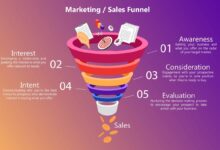
The customer acquisition funnel visualizes the stages a prospect goes through before becoming a customer. Understanding this journey helps you optimize messaging, timing, and channel strategy.
Stages of the Acquisition Funnel
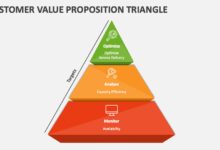
The classic funnel has three main stages: Awareness, Consideration, and Decision.
- Awareness: The customer realizes they have a problem. Your goal is visibility—use SEO, social media, and PR.
- Consideration: The customer researches solutions. Provide comparison guides, webinars, and case studies.
- Decision: The customer chooses a solution. Offer demos, free trials, and limited-time offers.
Modern models like the AIDA (Attention, Interest, Desire, Action) and Hero’s Journey frameworks add emotional depth to the process.
Optimizing Each Stage for Conversion
Each stage requires different content and CTAs. Misalignment leads to drop-offs.
- Awareness: Focus on education, not sales. Blog posts, infographics, and videos work best.
- Consideration: Build trust with testimonials, expert reviews, and product comparisons.
- Decision: Remove friction with clear pricing, guarantees, and easy checkout.
Tools like Google Analytics and Hotjar help you identify where users drop off and test improvements.
Technology and Tools for Customer Acquisition
Scaling customer acquisition requires the right tech stack. From CRM systems to analytics platforms, technology automates and optimizes the process.
Essential Customer Acquisition Tools
Here are some must-have tools for modern acquisition strategies:
- HubSpot: All-in-one CRM and marketing automation platform
- Google Ads & Meta Ads Manager: For paid campaign management
- SEMrush or Ahrefs: SEO research and competitor analysis
- Mailchimp or Klaviyo: Email marketing and automation
- Calendly: Streamlines sales meetings and demos
Integrating these tools ensures data flows seamlessly across teams, improving targeting and personalization.
How AI Is Transforming Customer Acquisition
Artificial intelligence is revolutionizing how businesses acquire customers. From chatbots to predictive analytics, AI enhances speed and precision.
- AI-powered ads optimize bids and audiences in real time
- Chatbots qualify leads 24/7, reducing response time
- Predictive scoring identifies high-value prospects
According to Salesforce, 80% of marketing leaders say AI increases customer acquisition efficiency.
Measuring Success: Key Customer Acquisition Metrics
You can’t improve what you don’t measure. Tracking the right KPIs helps you refine strategies and allocate budgets wisely.
Top Customer Acquisition Metrics to Track
Here are the most critical metrics:
- CAC: Cost to acquire one customer
- LTV: Lifetime value of a customer
- LTV:CAC Ratio: Measures profitability of acquisition
- Conversion Rate: Percentage of leads that become customers
- Payback Period: Time it takes to recover CAC
- Channel ROI: Return on investment per acquisition channel
Regular reporting and A/B testing help you stay agile and responsive.
How to Use Data to Optimize Acquisition
Data-driven decisions separate successful companies from the rest. Use analytics to:
- Identify high-performing channels
- Refine audience targeting
- Personalize messaging and offers
- Predict churn and adjust acquisition focus
Google Analytics 4, Mixpanel, and Amplitude provide deep insights into user behavior and campaign performance.
Common Customer Acquisition Mistakes to Avoid
Even experienced marketers make mistakes that hurt acquisition efforts. Being aware of these pitfalls can save time, money, and frustration.
1. Targeting the Wrong Audience
One of the biggest mistakes is trying to appeal to everyone. Without a clear customer persona, your messaging becomes diluted and ineffective.
- Solution: Develop detailed buyer personas using surveys, interviews, and data analysis
- Use tools like Facebook Audience Insights or Google Analytics to validate assumptions
According to CMO.com, companies that use personas see a 2x increase in marketing effectiveness.
2. Ignoring the Post-Purchase Experience
Acquisition doesn’t end at the sale. Poor onboarding or support can lead to quick churn, making your CAC unsustainable.
- Solution: Invest in onboarding emails, tutorials, and customer support
- Use feedback loops to improve the experience
Remember: a happy customer is more likely to refer others, reducing future acquisition costs.
3. Over-Reliance on a Single Channel
Putting all your budget into one channel (e.g., Facebook Ads) is risky. Algorithm changes or market saturation can suddenly cut off your traffic.
- Solution: Diversify across channels (SEO, email, partnerships)
- Build owned audiences (email lists, communities) for long-term stability
Companies with multi-channel strategies see 91% higher year-over-year customer retention (Harvard Business Review).
4. Failing to Test and Iterate
Assuming your first campaign will be perfect is a recipe for failure. Continuous testing is essential for optimization.
- Run A/B tests on headlines, CTAs, and landing pages
- Use heatmaps and session recordings to understand user behavior
- Iterate based on data, not opinions
According to VWO, companies that test regularly see up to 30% higher conversion rates.
Future Trends in Customer Acquisition
The customer acquisition landscape is evolving fast. Staying ahead requires awareness of emerging trends and technologies.
1. Privacy-First Marketing
With the deprecation of third-party cookies and stricter data laws (GDPR, CCPA), marketers must adapt to a privacy-first world.
- Focus on first-party data collection
- Build trust through transparency and consent
- Leverage zero-party data (information users willingly share)
Brands that prioritize privacy will gain long-term customer trust and compliance advantages.
2. Hyper-Personalization at Scale
Customers expect personalized experiences. AI and machine learning now make it possible to deliver tailored content to millions.
- Dynamic website content based on user behavior
- Personalized product recommendations
- Custom email journeys based on engagement
According to McKinsey, personalization can reduce CAC by up to 50% while increasing revenue by 10–30%.
3. Community-Driven Growth
Brands are shifting from transactional to relational models. Building communities fosters loyalty and organic acquisition.
- Discord, Slack, and Circle enable brand communities
- Users become advocates, creators, and co-developers
- Community feedback shapes product development
Companies like Apple and Peloton thrive on passionate user communities that drive word-of-mouth growth.
4. Voice and Visual Search Optimization
As voice assistants and image-based search grow, optimization strategies must evolve.
- Optimize for natural language queries (e.g., “Where can I buy eco-friendly shoes?”)
- Use structured data and schema markup
- Ensure product images are high-quality and tagged properly
By 2025, 50% of searches will be voice-based (Comscore), making this a critical area for future acquisition.
What is customer acquisition?
Customer acquisition is the process of attracting and converting new customers to your business through marketing, sales, and customer experience strategies.
What is a good customer acquisition cost (CAC)?
A good CAC depends on your industry and customer lifetime value (LTV). A healthy LTV:CAC ratio is typically 3:1, meaning you earn $3 for every $1 spent on acquisition.
Which customer acquisition channel is most effective?
There’s no one-size-fits-all answer. The most effective channel depends on your audience and business model. Content marketing and SEO often offer the best long-term ROI, while paid ads provide faster results.
How can I reduce my customer acquisition cost?
You can reduce CAC by improving targeting, increasing conversion rates, leveraging referrals, and focusing on high-ROI channels like email and organic search.
What’s the difference between customer acquisition and lead generation?
Lead generation is the process of collecting contact information from potential customers. Customer acquisition goes further—it includes converting those leads into paying customers.
Customer acquisition is the engine of business growth. From understanding CAC to leveraging AI and building communities, the strategies outlined here provide a roadmap for sustainable success. The key is to balance speed with efficiency, creativity with data, and acquisition with retention. By continuously testing, measuring, and adapting, you can build a scalable, profitable acquisition machine that drives long-term growth.
Further Reading: