Ever wonder why some businesses convert visitors like magic while others struggle? The secret lies in a well-oiled Sales Funnel. It’s not just a buzzword—it’s the backbone of every successful online business.
What Is a Sales Funnel and Why It Matters

A Sales Funnel is the strategic journey a potential customer takes—from first hearing about your brand to making a purchase. Think of it as a roadmap that guides prospects from awareness to action. Without it, you’re essentially leaving money on the table.


The Basic Concept of a Sales Funnel
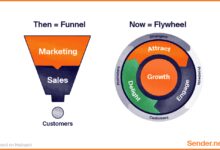
At its core, a Sales Funnel breaks down the customer journey into stages. Each stage represents a different mindset and level of engagement. The funnel metaphor works because, like a real funnel, you start with a wide audience at the top and narrow it down to paying customers at the bottom.
- Awareness: The customer realizes they have a problem.
- Interest: They start looking for solutions.
- Decision: They compare options.
- Action: They make a purchase.
This model, often called the AIDA model (Attention, Interest, Desire, Action), is foundational to modern marketing. You can learn more about AIDA from Investopedia’s breakdown.
Why Every Business Needs a Sales Funnel
Whether you sell digital products, physical goods, or services, a Sales Funnel helps you systematize your marketing. It reduces guesswork, improves conversion rates, and scales your business efficiently. Without a funnel, you’re relying on random acts of marketing luck.
“A Sales Funnel isn’t just a tool—it’s a business strategy that turns strangers into loyal customers.”
The 7 Stages of a High-Converting Sales Funnel
While many simplify the Sales Funnel into four stages, a deeper dive reveals seven critical phases. Mastering each one gives you a competitive edge and maximizes ROI on your marketing spend.
1. Awareness: Capturing Attention
This is the top of the Sales Funnel. Your goal? Get noticed. People here don’t know they need your solution yet. They’re just browsing, searching, or scrolling.
Effective tactics include SEO-optimized blog posts, social media content, YouTube videos, and paid ads. For example, a blog titled “10 Signs You Need a Better CRM” can attract small business owners searching for solutions.
According to Backlinko, content that answers specific questions ranks better and drives more traffic—perfect for top-of-funnel awareness.
2. Interest: Building Engagement
Now that you’ve grabbed attention, nurture it. The visitor knows they have a problem and is actively seeking solutions. This is where you position your brand as a helpful guide.
- Email newsletters with valuable tips
- Lead magnets like free checklists or webinars
- Retargeting ads to keep your brand top-of-mind
Offering a free downloadable guide in exchange for an email address is a classic move. It builds your list and starts the relationship.
3. Consideration: Educating the Prospect
At this stage, the prospect is comparing options. They’re evaluating your product against competitors. Your job is to prove you’re the best choice.
Create comparison guides, case studies, and demo videos. Transparency builds trust. For instance, a SaaS company might offer a 14-day free trial with onboarding emails to guide users.
HubSpot, a leader in inbound marketing, excels here with its detailed funnel resources that educate while promoting their tools.
4. Intent: Encouraging Commitment
The prospect has shown buying intent—maybe they added a product to their cart or requested a quote. Now, reduce friction and make it easy to say “yes.”
Use urgency (“Only 3 left in stock!”), scarcity (“Offer ends tonight”), and social proof (“10,000+ customers love this”).
Amazon uses this stage masterfully with real-time inventory updates and customer reviews that nudge hesitant buyers.
5. Purchase: Closing the Deal
This is the conversion point. The prospect becomes a customer. But it’s not just about the sale—it’s about making the process smooth and secure.
- One-click checkout options
- Multiple payment methods
- Clear return policies
A complicated checkout can kill conversions. According to Baymard Institute, nearly 70% of shoppers abandon carts, often due to poor UX.
6. Retention: Turning Customers into Fans
The funnel doesn’t end at purchase. Retaining customers is cheaper than acquiring new ones. A well-designed Sales Funnel includes post-purchase engagement.
Send thank-you emails, onboarding sequences, and exclusive content. For example, a fitness app might send a 7-day workout plan after signup.
Research from Forbes shows that engaged customers spend 3x more over time.
7. Advocacy: Creating Brand Ambassadors
The final stage turns happy customers into promoters. Encourage reviews, referrals, and social shares.
Dropbox grew exponentially by offering extra storage for referrals—a brilliant advocacy loop. This stage closes the circle and feeds new leads back into the top of your Sales Funnel.
“Your best customers are your best marketers.”
Types of Sales Funnels and When to Use Them
Not all Sales Funnels are the same. The right type depends on your product, audience, and goals. Let’s explore the most effective models.
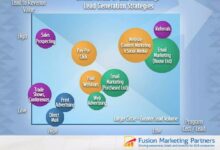
Lead Generation Funnel
This funnel is perfect for service-based businesses or B2B companies. The goal is to collect leads, not make an immediate sale.
You offer a free resource (e.g., a consultation, ebook, or webinar) in exchange for contact info. Then, you nurture the lead via email until they’re ready to buy.
Example: A financial advisor offers a free retirement planning checklist. Once the visitor downloads it, they’re added to an email sequence that builds trust over weeks.
Sales Page Funnel
Common in e-commerce and digital products, this funnel drives traffic directly to a high-converting sales page.
It typically includes a video, testimonials, pricing tiers, and a strong call-to-action. The entire experience is designed to close the sale in one go.
Think of a $97 online course with a 10-minute sales video that tells a story, highlights pain points, and presents the solution. Platforms like ClickFunnels specialize in building these.
Webinar Funnel
Webinar funnels are powerful for high-ticket items. You host a live or automated webinar that educates and sells.
The structure: Register → Watch Webinar → Offer a Deal. Because webinars build authority and rapport, conversion rates can exceed 30%.
For example, a marketing consultant might host a free “5-Day Traffic Bootcamp” and pitch their $2,000 coaching program at the end.
How to Build a Sales Funnel from Scratch
Building a Sales Funnel doesn’t require a tech degree. With the right tools and strategy, anyone can create one. Here’s a step-by-step guide.
Step 1: Define Your Target Audience
You can’t build a funnel without knowing who you’re talking to. Create a buyer persona: age, pain points, goals, where they hang out online.
Ask: What keeps them up at night? What language do they use when describing their problems? Use tools like Google Analytics or Facebook Audience Insights to gather data.
Step 2: Choose Your Funnel Goal
What’s the desired outcome? A sale? A lead? A download? Be specific. Your goal shapes the entire funnel.
- Lead generation: Goal = Email signups
- Product launch: Goal = First 100 sales
- Webinar: Goal = 500 registrations
Step 3: Map the Customer Journey
Sketch out each stage of the Sales Funnel. What will the visitor see, feel, and do at each step?
Example for a skincare brand:
1. Sees Instagram ad about acne solution.
2. Lands on a quiz: “What’s causing your breakouts?”
3. Gets a personalized routine recommendation.
4. Offered a discount on their first order.
Step 4: Create Compelling Content
Content is the fuel of your Sales Funnel. Write copy that speaks directly to your audience’s emotions and logic.
Use power words like “proven,” “instant,” “guaranteed,” and “exclusive.” Test headlines with tools like CoSchedule’s Headline Analyzer.
Step 5: Set Up the Technical Infrastructure
You’ll need:
– A landing page builder (e.g., Leadpages, Unbounce)
– An email marketing tool (e.g., Mailchimp, ConvertKit)
– A CRM or funnel platform (e.g., ClickFunnels, Kartra)
Integrate them so leads flow smoothly from one stage to the next. Use tracking pixels to measure performance.
Top Tools to Optimize Your Sales Funnel
The right tools can automate and scale your Sales Funnel. Here are the most effective ones.
ClickFunnels
ClickFunnels is the most popular Sales Funnel builder. It allows you to create landing pages, sales pages, and membership sites without coding.
Its drag-and-drop editor and pre-built templates make it ideal for beginners. Plus, it integrates with major email and payment providers.
Learn more at ClickFunnels.com.
HubSpot
HubSpot offers a full-suite CRM with built-in Sales Funnel tracking. It’s perfect for businesses that want deep analytics and automation.
You can track leads, set up email sequences, and measure funnel performance—all in one place.
Visit HubSpot’s official site to explore their funnel tools.
Kajabi
If you sell online courses or digital products, Kajabi is a powerhouse. It combines website hosting, email marketing, and course delivery.
Its Sales Funnel templates are designed for high conversions, and it includes built-in analytics to track customer behavior.
“Tools don’t build funnels—people do. But the right tool makes it 10x easier.”
Common Sales Funnel Mistakes to Avoid
Even experienced marketers make funnel mistakes. Here are the most common ones—and how to fix them.
Mistake 1: No Clear Target Audience
If you’re trying to sell to “everyone,” you’ll resonate with no one. A vague audience leads to weak messaging and low conversions.
Solution: Narrow your focus. Create a detailed buyer persona and tailor your funnel to their specific needs.
Mistake 2: Ignoring the Middle of the Funnel
Many funnels focus on top (traffic) and bottom (sales) but neglect the middle—where prospects evaluate options.
Solution: Add educational content like comparison charts, case studies, and demo videos to build trust and guide decisions.
Mistake 3: Poor Follow-Up Strategy
Most first-time visitors won’t buy immediately. If you don’t follow up, you lose them forever.
Solution: Set up an email nurture sequence. Send value-first emails that educate, not just sell. According to Campaign Monitor, segmented and targeted emails generate 58% of all revenue.
How to Measure and Optimize Your Sales Funnel
Building a Sales Funnel is just the start. To maximize results, you must measure and optimize continuously.
Key Metrics to Track
Monitor these KPIs to understand funnel performance:
- Conversion Rate: % of visitors who take the desired action.
- Bounce Rate: % who leave without interacting.
- Average Order Value (AOV): How much each customer spends.
- Customer Acquisition Cost (CAC): How much it costs to gain a customer.
- Customer Lifetime Value (CLV): Total revenue from a customer over time.
Use Google Analytics, funnel-specific tools, or your CRM to track these.
A/B Testing for Funnel Optimization
Never assume—always test. A/B testing lets you compare two versions of a page, email, or ad to see which performs better.
Test headlines, CTAs, images, and pricing. Even small changes can have big impacts. For example, changing “Buy Now” to “Get Instant Access” increased conversions by 90% in one VWO case study.
Using Analytics to Refine Your Funnel
Dive into your data. Where are people dropping off? Is it at the checkout? After the first email?
Use heatmaps (via Hotjar) to see where users click, scroll, and get stuck. Then, make data-driven improvements.
“What gets measured gets managed.” – Peter Drucker
What is a Sales Funnel?
A Sales Funnel is the step-by-step journey a customer takes from first learning about a product to making a purchase and beyond. It includes stages like awareness, interest, decision, and action, and is essential for converting leads into customers.
How do I create a simple Sales Funnel?
Start by defining your audience and goal. Then, create content for each stage: awareness (blog, ads), interest (lead magnet), decision (emails, demos), and action (sales page). Use tools like ClickFunnels or HubSpot to build and automate it.
What are the 4 stages of the Sales Funnel?
The traditional 4 stages are: 1) Awareness (customer knows they have a problem), 2) Interest (they seek solutions), 3) Decision (they compare options), and 4) Action (they buy).
Which tool is best for building a Sales Funnel?
ClickFunnels is one of the most popular and user-friendly tools for building Sales Funnels. Others include HubSpot, Kajabi, and Kartra, depending on your needs (e.g., e-commerce, courses, services).
How do I optimize my Sales Funnel for more conversions?
Track key metrics, run A/B tests, reduce friction (e.g., simplify checkout), improve email follow-ups, and use analytics to identify drop-off points. Continuously refine based on data.
Mastering the Sales Funnel is no longer optional—it’s essential for business growth. From attracting strangers to turning customers into advocates, each stage plays a vital role in driving revenue. By understanding the 7 stages, choosing the right type, avoiding common mistakes, and using powerful tools, you can build a funnel that converts consistently. Remember, a Sales Funnel isn’t a one-time project. It’s a living system that needs testing, tracking, and optimizing. Start small, measure everything, and scale what works. The result? More sales, more customers, and a business that runs like a well-tuned machine.
Further Reading: